
COMMENTATOR RAISES CONCERNS OVER COMMUNITY TENSIONS, POLICING, AND SOCIAL DIVISIONS IN ENGLAND
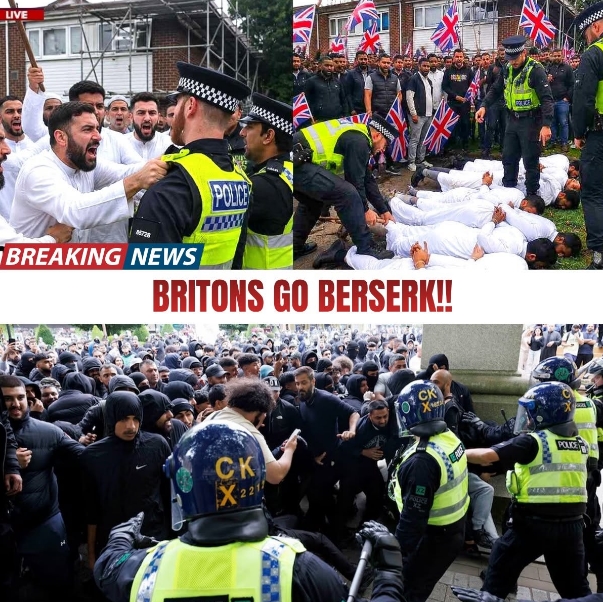
A political commentator has sparked debate after publishing a video discussing recent footage from Tower Hamlets and Bolton, arguing that growing community tensions, policing practices, and political leadership are contributing to increasing divisions across England.
Opening the video, the commentator highlighted footage showing a man standing alongside a group of supporters in Tower Hamlets. In the clip, the individual describes those gathered as being present to “stand their ground” in what he calls “our own area,” while insisting they are not there to promote violence or hatred. The commentator argued that the language used in the video reflects broader concerns among some residents about demographic and cultural changes taking place in parts of London.
According to the presenter, Tower Hamlets has become a symbol of what he describes as significant social transformation over recent years. He pointed to multilingual public signage and changes in the local political landscape as examples of what he believes are wider shifts affecting the character of the area. These observations, however, reflect the commentator’s personal interpretation rather than independently verified conclusions.
The video then shifted focus to the response of law enforcement during recent public gatherings. Referring to footage circulated on social media, the commentator questioned police interactions with different groups, suggesting that officers appeared to reassure one gathering while paying less attention to activity occurring elsewhere nearby. He argued that perceived inconsistencies in policing contribute to frustration among some members of the public, although the footage itself does not provide full context for the incidents discussed.
The presenter also referenced online posts criticizing British policing, including claims that authorities have treated certain demonstrations differently depending on the groups involved. These assertions have circulated widely across social media but remain the subject of political debate and differing interpretations.
Another section of the video focused on the arrest of a Christian street preacher. The commentator claimed the individual was detained on suspicion of inciting religious hatred after expressing views about Islam and gender identity during public preaching. Footage included in the video shows the preacher telling officers that he suffers from a heart condition while questioning the basis for his arrest.
During the exchange, the preacher argued that police were relying on one version of events instead of considering other eyewitness accounts. The commentator criticized the arrest, suggesting that similar cases have often resulted in charges eventually being dropped. However, he did not provide evidence regarding the final legal outcome of the specific case discussed, and police have not been represented in the video to explain the reasons behind their actions.
The discussion then moved to footage recorded in Bolton, where a confrontation between police officers and members of a crowd was shown. Several individuals can be heard telling officers that they do not need police protection and intend to protect their own community. Others are heard making confrontational remarks while officers attempt to calm the situation.
The commentator argued that if similar statements had been made by different groups, law enforcement might have responded more aggressively. He described the exchange as an example of what he believes are inconsistent policing standards, although no official findings regarding the incident were presented during the broadcast.
Throughout the video, the presenter repeatedly expressed concern about what he views as growing social fragmentation within the United Kingdom. He argued that community divisions, combined with political disagreements over immigration, policing, and national identity, have left many people questioning the country’s direction.
He also suggested that stronger political leadership is needed, encouraging viewers to become more politically engaged by registering to vote and supporting candidates they believe will address these issues through democratic means.
Concluding the discussion, the commentator acknowledged that the situations shown in the video raise difficult questions about community relations and public confidence in institutions. While stressing that the footage reflects incidents attracting widespread online attention, he encouraged viewers to examine the available evidence themselves and share their own opinions about how such challenges should be addressed.
The issues highlighted in the video—including policing, freedom of expression, public order, and community integration—remain highly contested topics in British politics, with differing perspectives offered by government officials, law enforcement, community leaders, and campaign groups
A political commentator has sparked debate after publishing a video discussing recent footage from Tower Hamlets and Bolton, arguing that growing community tensions, policing practices, and political leadership are contributing to increasing divisions across England.
Opening the video, the commentator highlighted footage showing a man standing alongside a group of supporters in Tower Hamlets. In the clip, the individual describes those gathered as being present to “stand their ground” in what he calls “our own area,” while insisting they are not there to promote violence or hatred. The commentator argued that the language used in the video reflects broader concerns among some residents about demographic and cultural changes taking place in parts of London.
According to the presenter, Tower Hamlets has become a symbol of what he describes as significant social transformation over recent years. He pointed to multilingual public signage and changes in the local political landscape as examples of what he believes are wider shifts affecting the character of the area. These observations, however, reflect the commentator’s personal interpretation rather than independently verified conclusions.
The video then shifted focus to the response of law enforcement during recent public gatherings. Referring to footage circulated on social media, the commentator questioned police interactions with different groups, suggesting that officers appeared to reassure one gathering while paying less attention to activity occurring elsewhere nearby. He argued that perceived inconsistencies in policing contribute to frustration among some members of the public, although the footage itself does not provide full context for the incidents discussed.
The presenter also referenced online posts criticizing British policing, including claims that authorities have treated certain demonstrations differently depending on the groups involved. These assertions have circulated widely across social media but remain the subject of political debate and differing interpretations.
Another section of the video focused on the arrest of a Christian street preacher. The commentator claimed the individual was detained on suspicion of inciting religious hatred after expressing views about Islam and gender identity during public preaching. Footage included in the video shows the preacher telling officers that he suffers from a heart condition while questioning the basis for his arrest.
During the exchange, the preacher argued that police were relying on one version of events instead of considering other eyewitness accounts. The commentator criticized the arrest, suggesting that similar cases have often resulted in charges eventually being dropped. However, he did not provide evidence regarding the final legal outcome of the specific case discussed, and police have not been represented in the video to explain the reasons behind their actions.
The discussion then moved to footage recorded in Bolton, where a confrontation between police officers and members of a crowd was shown. Several individuals can be heard telling officers that they do not need police protection and intend to protect their own community. Others are heard making confrontational remarks while officers attempt to calm the situation.
The commentator argued that if similar statements had been made by different groups, law enforcement might have responded more aggressively. He described the exchange as an example of what he believes are inconsistent policing standards, although no official findings regarding the incident were presented during the broadcast.
Throughout the video, the presenter repeatedly expressed concern about what he views as growing social fragmentation within the United Kingdom. He argued that community divisions, combined with political disagreements over immigration, policing, and national identity, have left many people questioning the country’s direction.
He also suggested that stronger political leadership is needed, encouraging viewers to become more politically engaged by registering to vote and supporting candidates they believe will address these issues through democratic means.
Concluding the discussion, the commentator acknowledged that the situations shown in the video raise difficult questions about community relations and public confidence in institutions. While stressing that the footage reflects incidents attracting widespread online attention, he encouraged viewers to examine the available evidence themselves and share their own opinions about how such challenges should be addressed.
The issues highlighted in the video—including policing, freedom of expression, public order, and community integration—remain highly contested topics in British politics, with differing perspectives offered by government officials, law enforcement, community leaders, and campaign groups.