
BBC INTERVIEW WITH RUPERT LOWE RENEWS DEBATE OVER MEDIA IMPARTIALITY, IMMIGRATION AND NATIONAL IDENTITY
A recent BBC interview featuring independent MP Rupert Lowe has sparked renewed discussion in the United Kingdom over media impartiality, immigration policy and national identity, after a series of exchanges with presenter Nick Robinson drew widespread attention online.
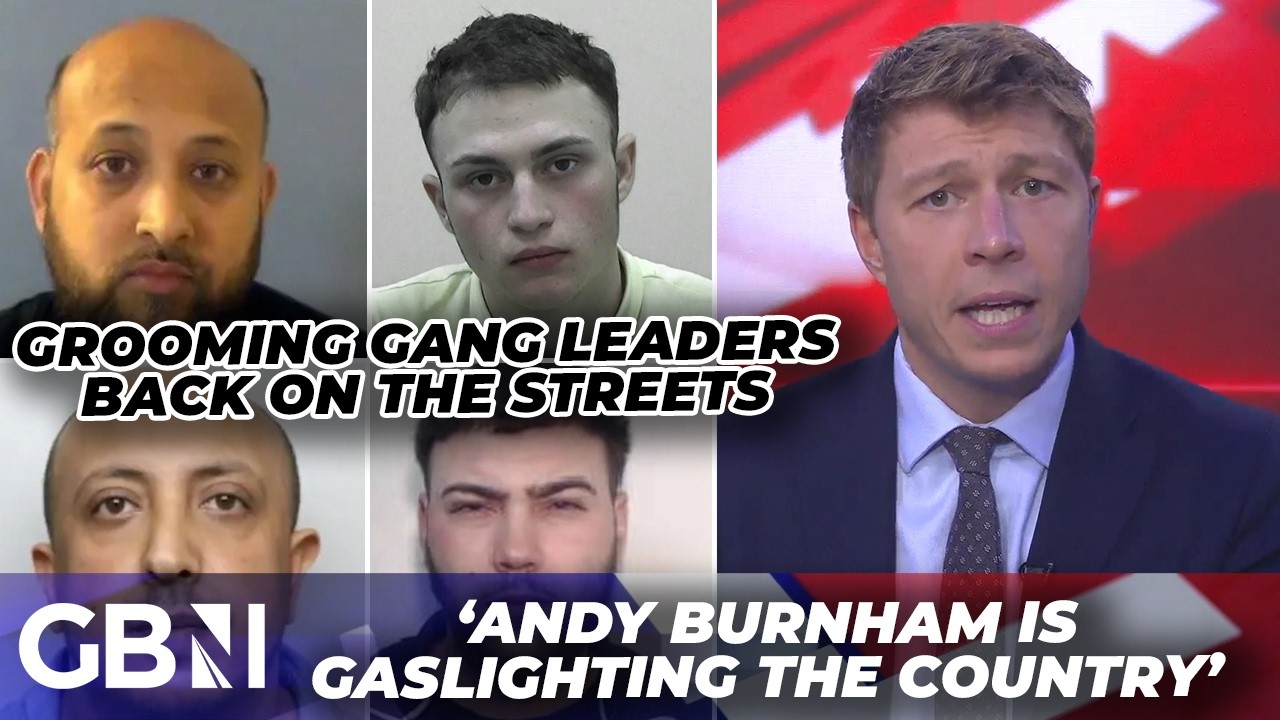
During the interview, Robinson questioned Lowe about comments in which he warned that Britain was “hurtling towards being an Islamic country.” Robinson asked Lowe to provide evidence supporting the claim. In response, Lowe referred to a 219-page report that he said his team had produced on grooming gangs, arguing that the report had received little attention from the BBC. Robinson acknowledged that he had not read the report in full but said the broadcaster had extensively covered the wider grooming gangs issue and previous national inquiries.
Lowe argued that the BBC had failed to give sufficient coverage to his report and claimed the broadcaster was no longer fulfilling its role of informing the public impartially. He also repeated his long-standing criticism that the BBC has become politically unbalanced, saying that opinions he considers to be “common sense” are increasingly portrayed as “far right.” Lowe rejected that characterization, describing himself as an ordinary citizen who wants “a country that works and is at peace with itself.”
The discussion expanded into immigration and demographic change. Lowe cited data from the 2011 census, noting that more than 30 million people identified themselves as “English only” in terms of nationality. He argued that demographic changes since then, together with the growth of mosques and the existence of Sharia-based arbitration arrangements in some communities, indicate significant social change in parts of Britain. These claims reflect Lowe’s interpretation of demographic trends and remain the subject of political debate.
Robinson continued pressing Lowe for evidence supporting his broader conclusions, emphasizing the distinction between demographic changes and the claim that Britain is becoming an Islamic country. The exchange highlighted differing views over how immigration, integration and demographic developments should be interpreted.
Lowe also discussed his political philosophy, describing himself as a constitutionalist rather than someone aligned strictly with either the political left or right. He argued that Britain should place greater emphasis on historic constitutional documents such as the English Bill of Rights and the Act of Settlement, saying they contain principles that could help address many modern political issues. These views represent Lowe’s political perspective and are not universally shared.
The interview also briefly addressed Lowe’s departure from Reform UK. Asked about his future political plans, Lowe said he had established the Restore movement to unite people around what he called “common sense” policies rather than traditional ideological divisions. He described his background in business and public service while declining to focus extensively on the circumstances surrounding his exit from the party.
Following the broadcast, reactions on social media reflected the wider political divide. Supporters praised Lowe for challenging the BBC and raising concerns they believe receive insufficient public attention. Critics, meanwhile, argued that several of his conclusions require stronger supporting evidence and defended Robinson’s questioning as a legitimate part of journalistic scrutiny.
The interview has since become part of a broader public debate about the role of the BBC, media impartiality, immigration policy and political discourse in Britain. As discussion continues, it illustrates the deep divisions that remain over how these issues should be reported and debated in the public sphere.