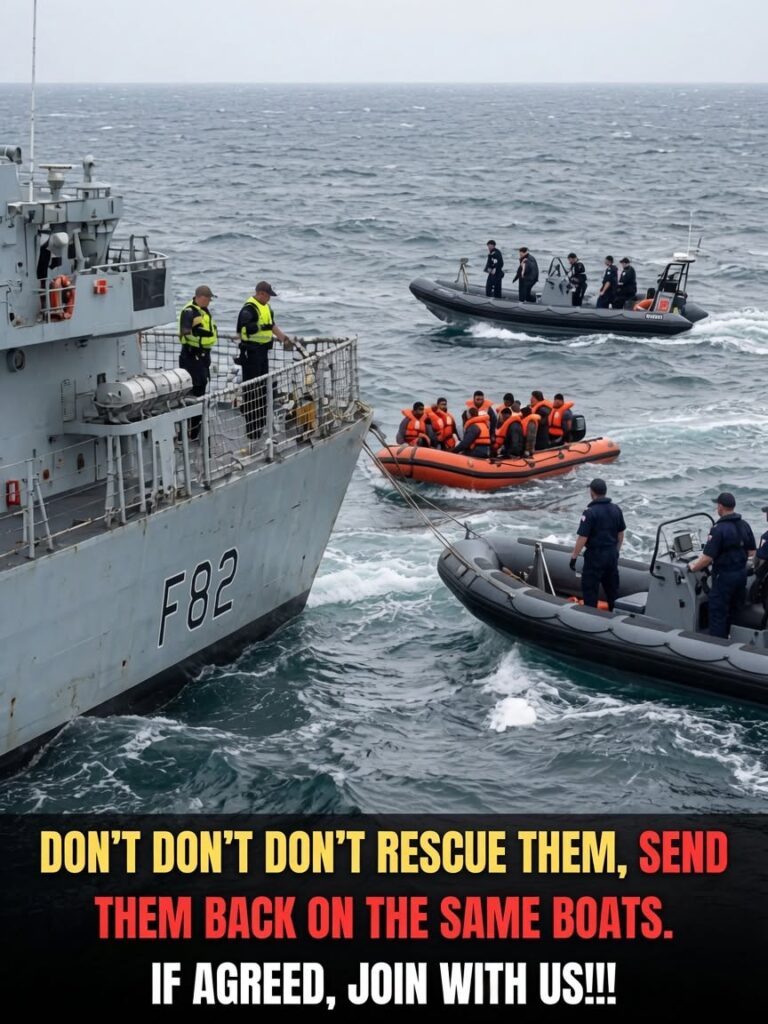
Are we being manipulated by fabricated outrage, or is our approach to the border crisis truly failing?
Illegal Channel Crossings and the Border Debate: Public Pressure, Political Divisions, and the Search for Effective Solutions
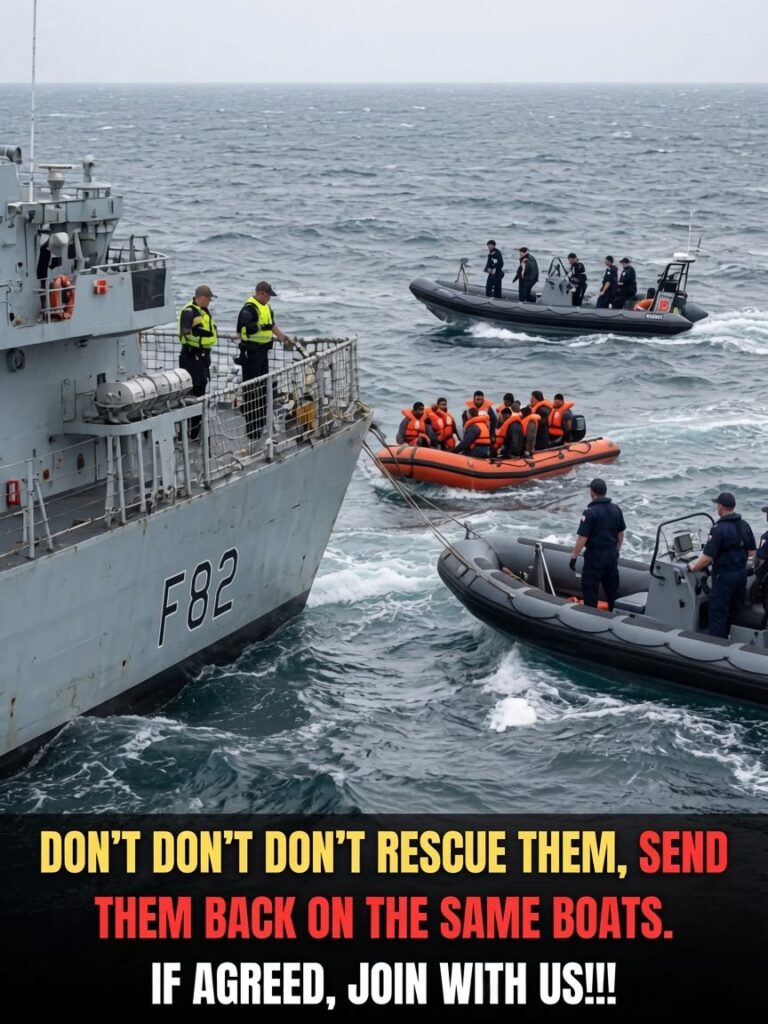
The issue of irregular migration across the English Channel has become one of the defining political debates in the United Kingdom, generating passionate arguments from across the political spectrum. As the number of small boat crossings continues to attract national attention, questions are being raised not only about border security but also about public confidence, humanitarian responsibilities, international cooperation, and the role of political messaging. While some argue that the situation represents a growing failure of immigration policy, others caution that emotionally charged rhetoric and selective reporting may oversimplify an issue that is far more complex than headlines often suggest. Amid this debate, many citizens are asking whether the United Kingdom’s current approach is delivering the results the public expects, or whether both the government and the wider political conversation have become trapped in a cycle of recurring crises without lasting solutions.
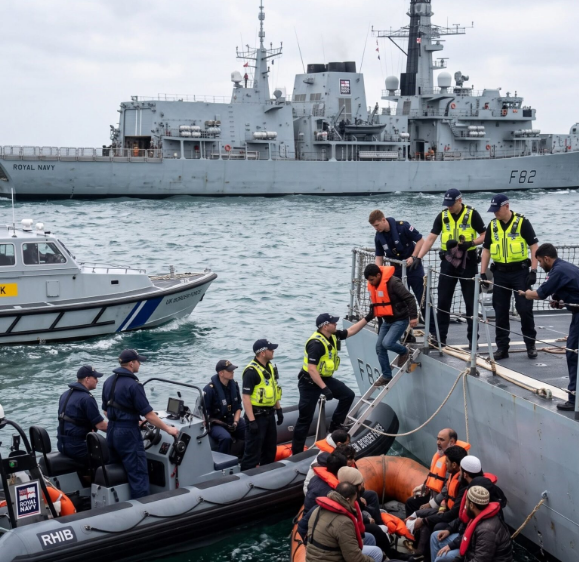
Recent years have seen the English Channel become one of Europe’s most closely watched migration routes. Thousands of people have attempted the dangerous crossing in small boats, often departing from northern France in search of asylum or new opportunities in Britain. The crossings have repeatedly drawn attention because of their humanitarian risks, the strain they place on border agencies, and the political symbolism attached to them. Images of overcrowded inflatable boats arriving on British shores frequently dominate news coverage, reinforcing public perceptions that the government is struggling to maintain effective control over national borders. At the same time, officials continue to emphasize that the vast majority of migration occurs through legal channels rather than irregular sea crossings, highlighting the need to distinguish between different forms of migration when assessing overall immigration policy.
Successive governments have pledged to reduce irregular crossings, introducing a variety of measures intended to strengthen border enforcement and discourage dangerous journeys. These have included enhanced surveillance technologies, increased cooperation with French authorities, expanded patrol operations, agreements with neighboring countries, and proposals aimed at accelerating asylum processing. Despite these efforts, crossings have continued during favorable weather conditions, leading critics to argue that existing policies have not produced the intended deterrent effect. Supporters of current strategies respond that migration pressures affecting the United Kingdom are part of broader international trends driven by conflict, economic instability, organized smuggling networks, and global displacement, making simple solutions difficult to achieve.
The political consequences of the issue have been significant. Immigration has consistently ranked among the most important concerns for many British voters in public opinion surveys. As a result, nearly every major political party has sought to present its own vision for border management. Some advocate substantially stricter enforcement, including expanded detention powers, faster removals of individuals without legal permission to remain, stronger agreements with countries of origin, and additional resources for border security. Others argue that while secure borders are essential, long- term success also requires improving legal migration pathways, strengthening international cooperation, addressing the asylum backlog, and tackling the criminal organizations that facilitate dangerous crossings across Europe.
One of the most contentious aspects of the debate concerns the role of human smuggling networks. Law enforcement agencies across Europe have repeatedly described these organizations as sophisticated criminal enterprises capable of adapting rapidly to changing enforcement measures. Smuggling groups often advertise routes through social media, coordinate transportation across multiple countries, and exploit vulnerable migrants who may already have fled war, persecution, or severe economic hardship. Security experts generally agree that reducing illegal crossings requires not only stranger domestic enforcement but also international intelligence sharing, coordinated police operations, and efforts to dismantle transnational criminal networks responsible for organizing the journeys.
Another important dimension involves humanitarian obligations. International refugee law recognizes the right of individuals to seek asylum regardless of how they enter a country, although governments retain authority to regulate immigration and determine asylum claims through established legal procedures. Human rights organizations frequently emphasize that people making dangerous Channel crossings include individuals fleeing armed conflict, political persecution, or other forms of serious danger. At the same time, critics argue that irregular migration systems can undermine public confidence in legal immigration processes, potentially disadvantaging refugees who wait for resettlement through official international programs. Balancing these competing considerations remains one of the most difficult challenges facing policymakers.
The asylum system itself has become another central topic of discussion. Large numbers of pending asylum applications have created administrative backlogs that sometimes leave applicants waiting months or even years for decisions. During this period, many applicants require government-funded accommodation and support, increasing public expenditure and generating political criticism regarding efficiency. Governments have announced reforms intended to accelerate case processing, recruit additional decision-makers, modernize digital systems, and prioritize certain categories of applications. Whether these reforms will significantly reduce waiting times remains an ongoing question that observers continue to monitor.
Public opinion regarding immigration is far from uniform. Surveys regularly demonstrate that while many citizens support reducing irregular migration and strengthening border security, attitudes toward legal immigration are often more nuanced. Many people distinguish between refugees escaping genuine danger, skilled workers filling labor shortages, international students, family reunification, and unauthorized migration. These distinctions illustrate that immigration debates frequently involve multiple overlapping issues rather than a single unified public position. Consequently, political leaders often face the challenge of responding to concerns about border enforcement while maintaining commitments to humanitarian protection and economic migration where appropriate.
Media coverage also plays a major role in shaping public perceptions. Dramatic footage of small boats arriving on British beaches naturally attracts widespread attention because of its visual impact. However, analysts frequently note that highly visible events may not always provide a complete picture of broader migration patterns. Statistical trends, changes in asylum approvals, legal migration figures, labor market demands, and international refugee movements can all influence the overall immigration landscape in ways that are less immediately visible than individual boat arrivals. This has led some commentators to argue that informed public debate requires careful examination of comprehensive data alongside emotionally powerful imagery.
Social media has further transformed how information about migration spreads. Posts highlighting dramatic incidents often receive millions of views within hours, sometimes before official information becomes available. Supporters of stricter immigration policies frequently argue that social media allows citizens to bypass traditional news organizations and observe developments directly. Others caution that viral content may sometimes lack important context or rely on incomplete information, contributing to misunderstandings and heightened public emotions. Researchers studying digital communication have increasingly examined how algorithms may amplify highly emotional content because such material often generates greater engagement than more measured analysis.
The language used in political discussions can significantly influence public understanding. Expressions such as “border crisis,” “national emergency,” or “loss of control” may accurately reflect the views of some political actors but also carry strong emotional implications. Conversely, terminology emphasizing humanitarian protection or international obligations may resonate differently with audiences concerned primarily about enforcement. Neutral reporting generally seeks to distinguish between verified facts, political claims, expert assessments, and public opinion, allowing readers to evaluate competing perspectives based on available evidence rather than rhetorical framing alone.
Economic considerations add another layer of complexity. Governments must allocate resources to border enforcement, asylum processing, accommodation, legal proceedings, policing, and international cooperation. Critics argue that prolonged administrative delays increase public spending while failing to resolve underlying challenges. Others contend that investment in faster decision-making, digital modernization, and coordinated international enforcement could ultimately reduce long-term costs. Economists also note that broader immigration policy affects labor markets, demographic trends, public services, tax revenues, and economic growth, making immigration decisions relevant far beyond border security alone.
International cooperation remains essential because migration routes typically span multiple countries before reaching the United Kingdom. British authorities continue working with France and other European partners to strengthen intelligence sharing, coordinate law enforcement operations, and disrupt smuggling organizations. Cooperation can include surveillance technology, joint investigations, financial sanctions targeting organized crime, and diplomatic agreements regarding migrant returns. Nevertheless, international negotiations often involve complex legal, political, and diplomatic considerations that require balancing national interests with broader regional responsibilities.
Political parties have proposed a wide range of alternative policies. Some recommend significantly expanding deportation capabilities for individuals whose asylum claims are rejected. Others support offshore processing arrangements, stricter visa enforcement, or additional maritime interception measures. Alternative proposals focus on expanding safe and legal asylum pathways, increasing international refugee resettlement programs, improving cooperation with countries experiencing displacement, and investing more heavily in addressing migration’s root causes abroad. Each proposal has attracted supporters and critics, reflecting broader disagreements regarding effectiveness, legality, cost, and humanitarian implications.
Experts frequently caution that migration pressures are influenced by factors extending far beyond any single government’s immediate control. Armed conflicts, political instability, economic inequality, climate-related displacement, demographic changes, and evolving smuggling networks all contribute to international migration patterns. Consequently, even substantial domestic policy changes may not eliminate irregular migration entirely. Instead, analysts often argue that successful long-term strategies require combining border security, efficient asylum administration, international diplomacy, law enforcement cooperation, and humanitarian commitments within a coherent policy framework.
The role of Parliament has been especially prominent as lawmakers continue debating proposed immigration legislation. Parliamentary discussions often reveal differing priorities between those emphasizing deterrence and those prioritizing legal safeguards. Committees examine evidence from border officials, legal scholars, humanitarian organizations, economists, police representatives, and independent experts. These hearings illustrate that immigration policymaking involves balancing numerous competing objectives rather than choosing between simple alternatives.
Public trust represents another critical factor. Regardless of political affiliation, many observers argue that citizens expect immigration systems to operate transparently, consistently, and efficiently. When asylum decisions take extended periods or when governments repeatedly announce new policies without clear measurable outcomes, public confidence may decline. Conversely, transparent reporting on processing times, enforcement results, legal migration pathways, and international cooperation can contribute to more informed public discussions, even when disagreements remain regarding appropriate policy choices.
Another question concerns how success should be measured. Should governments focus primarily on reducing boat arrivals, increasing deportations, accelerating asylum decisions, dismantling smuggling networks, lowering costs, improving humanitarian protections, or strengthening international partnerships? Different political perspectives emphasize different performance indicators, making consensus difficult even when participants broadly agree that existing challenges require attention. Establishing clear benchmarks may help future governments demonstrate progress more effectively while allowing independent observers to evaluate policy outcomes objectively.
Civil society organizations continue participating actively in the debate. Refugee advocacy groups emphasize legal protections, humanitarian obligations, and support services for vulnerable individuals. Community organizations discuss the impact of migration on housing, education, healthcare, and local infrastructure. Business organizations sometimes highlight labor shortages requiring carefully managed legal migration, while law enforcement agencies stress the importance of targeting organized criminal networks. These diverse perspectives illustrate that immigration affects numerous sectors beyond national politics alone.
Looking ahead, the debate surrounding Channel crossings is unlikely to disappear quickly. Seasonal weather patterns, international conflicts, European migration dynamics, domestic political priorities, and future legislative reforms will all continue influencing developments. Governments will remain under pressure to demonstrate that border systems are both effective and legally robust, while humanitarian organizations will continue monitoring whether international obligations are being fulfilled. The challenge for policymakers will be finding approaches capable of commanding public confidence while respecting the rule of law and addressing practical realities on the ground.
Ultimately, the discussion extends beyond the immediate question of how many boats reach British shores. It touches on broader issues of national sovereignty, international responsibility, public confidence, democratic accountability, and the balance between security and humanitarian protection. Reasonable people may reach different conclusions regarding which policies are most effective, but constructive public debate depends upon distinguishing verified information from speculation, acknowledging uncertainty where evidence remains incomplete, and evaluating proposed solutions based on measurable outcomes rather than political slogans alone. As immigration continues to shape political discourse in Britain, informed and evidence-based discussion will remain essential to developing policies capable of addressing one of the country’s most enduring and complex public policy challenges.