
In an adjournment debate in the House of Commons, Reform UK MP Richard Tice alleged he had received a “veiled threat” from a fellow Member of Parliament regarding his vocal criticism of a £46 million Foreign Office contract awarded to train the Lebanese police force.

Tice stated that his initial concern over the contract, awarded to a group of companies under the umbrella “Siren,” stemmed from the stark contrast between funding overseas security forces and the financial strains on domestic law enforcement, specifically referencing the underfunded Lincolnshire Police Force in his home region. Tice first publicly labeled the contract a “grotesque abuse of taxpayers’ cash” in October, questioning the financial structure of Siren Associates Limited, a not-for-profit company. He raised concerns over related party transactions in the company’s accounts, claiming that “millions of pounds are going out the side door” via directors’ and management fees.

Following his public criticisms, Tice stated he received a legal letter from the directors’ lawyers in late October and has recently been notified of an impending lawsuit.
Most notably, Tice used the parliamentary debate to disclose an interaction that occurred just a day prior. He alleged that a Northern Irish MP approached him with what he described as a “veiled threat on behalf of… a third party,” warning him to be “very, very careful.” Tice told the Deputy Speaker he received the warning with “considerable concern and trepidation,” calling the conduct “absolutely outrageous.” He further claimed that Siren Associates had written to the Speaker to express concern over the debate taking place.
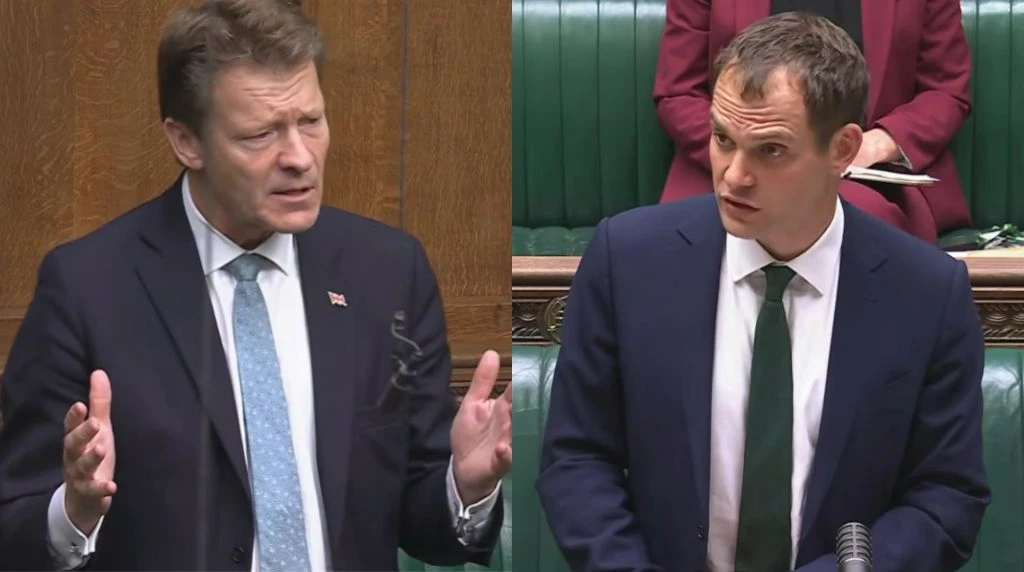
Tice challenged the Minister, Hamish Falconer, to condemn the legal action and the alleged threat against a Member of Parliament seeking to scrutinize taxpayer spending. He also demanded a “full and proper inquiry” into the awarding of the contracts and their accountability.
Responding for the government, Minister Falconer declined to comment on the alleged private law dispute or the conduct of other MPs. However, he addressed the substantive questions regarding the Foreign Office contract directly.
Falconer stated that the department had reviewed the concerns regarding payments to Siren Associates’ directors. According to the Foreign Office’s understanding, aside from fees for services rendered, there were no other payments to directors in the published accounts related to their work for the government. He noted that the Foreign Office monitors payments for work conducted on its behalf but does not have oversight of transactions unrelated to that work.
“All relevant due diligence checks have been completed and deemed satisfactory,” Falconer assured the House, adding that the program remains under close review to ensure full delivery. He reiterated the government’s commitment to supporting Lebanon’s security through its ongoing work with Lebanese armed forces and internal security units.
The exchange highlights a sharp clash over transparency in foreign aid procurement and the limits of parliamentary privilege amidst ongoing legal and political friction.