Labour MP Jess Phillips is facing intense criticism following her recent comments regarding controversial Home Office pamphlets distributed to asylum seekers.
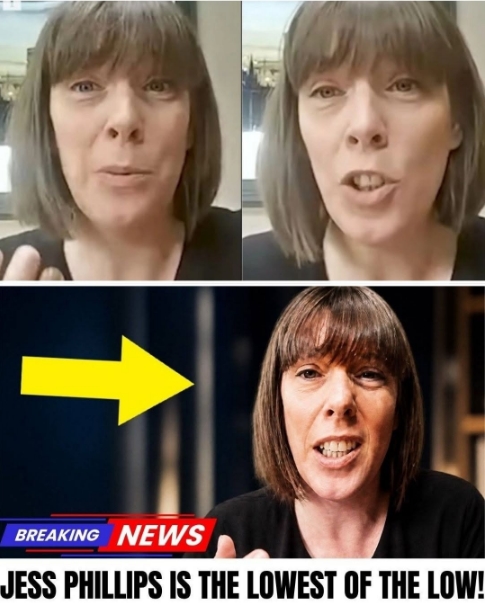
The booklets, which reportedly instruct new arrivals on the UK’s laws regarding consent, rape, and child abuse, have ignited a fierce debate over border control, cultural integration, and public safety.

In a recent broadcast interview, Phillips was asked to address the public concern surrounding the necessity of such explicit instructional material for migrants. The interviewer highlighted the stark nature of a government leaflet explicitly stating that “rape is illegal” and “sex with children is illegal,” questioning what it implies about the demographics entering the country.
Phillips responded by contextualizing the pamphlets within broader government initiatives aimed at addressing male behavior across the general population. “We also ran an enormous campaign teaching men in the country about how their behaviors could be perceived,” she stated, referencing initiatives focused on stalking, harassment, and public safety that were targeted at “everybody in the country.”
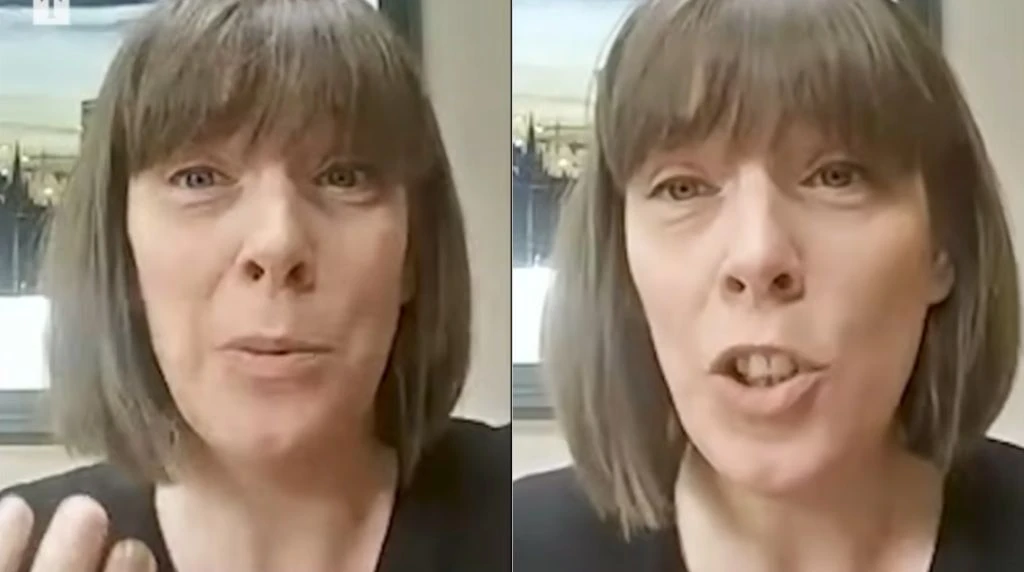
She further noted ongoing educational efforts in UK schools concerning healthy relationships and consent, framing the asylum seeker pamphlets as “just one example of a preventative measure.” Phillips stated she understood why people were interested because the recipients were asylum seekers, but emphasized that similar multi-million-pound schemes have been aimed at men nationwide.
When pressed by the interviewer on the distinction between general behavioral awareness campaigns and pamphlets explicitly detailing severe criminal offenses, Phillips admitted she had not seen the specific documents in question. However, she drew a comparison to her past work with sexual violence victims from Poland in the West Midlands. She argued that different countries have varying systems and expectations, and it is crucial to inform new arrivals—whether they arrive legally or illegally—about the rights and services they can expect in the UK.
Critics have seized upon Phillips’ response, accusing her of deflecting the core issue and engaging in “gaslighting.” Opponents argue that comparing targeted interventions for specific migrant demographics to general educational programs for the British public deliberately obscures the statistical realities of crime rates among certain national groups.
Commentators have pointed to data sets—such as statistics on sexual offenses in London categorized by nationality—to argue that individuals from certain countries represented in the asylum system present a statistically higher risk per capita than the native population. These critics contend that the Home Office’s decision to issue the pamphlets is a direct, necessary response to these specific risks, rooted in stark cultural differences regarding women’s rights and legal consent.
Opponents further criticized Phillips for using Polish migrants as a comparison point, arguing it was a deliberate attempt to avoid addressing the cultural integration challenges posed by arrivals from outside Europe.
The controversy surrounding Phillips’ comments adds another layer of complexity to the ongoing national debate over the UK’s asylum system, the management of small boat crossings, and the government’s approach to community safety and integration.