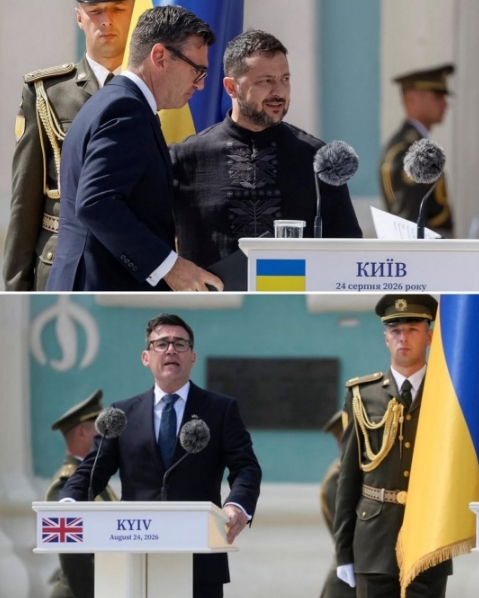
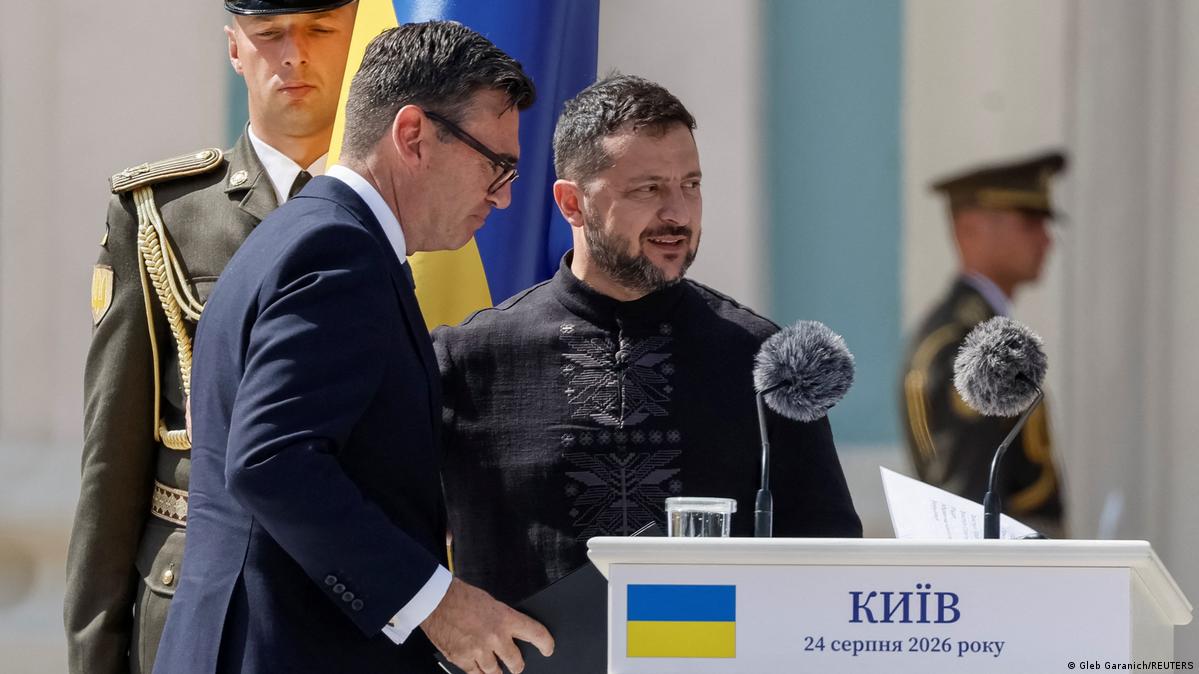
Marking his first international trip as Prime Minister, Andy Burnham traveled to Ukraine to commemorate the nation’s Independence Day, delivering a speech reaffirming the United Kingdom’s steadfast support for Kyiv.
However, the diplomatic mission has drawn sharp domestic criticism, with commentators pointing to an apparent disconnect between the Prime Minister’s rhetoric on international sovereignty and his administration’s handling of border security at home.
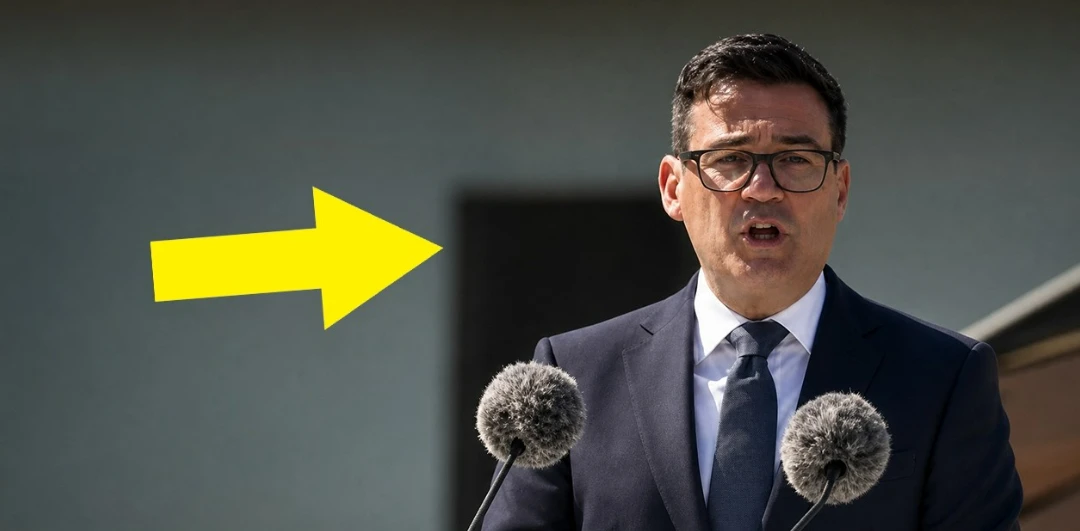
During his address, Burnham strongly emphasized the inviolability of national boundaries. “We recognize your independence and your sovereignty in full, and that international borders cannot be changed by force,” the Prime Minister stated. He assured the Ukrainian people that the UK stands with them “heart and soul” against ongoing aggression.
While the message of solidarity aligns with established UK foreign policy, it immediately sparked backlash from conservative commentators and domestic critics. Pundits highlighted what they perceive as hypocrisy, contrasting Burnham’s robust defense of Ukraine’s borders with his government’s approach to illegal immigration across the English Channel. Critics argue that while the Prime Minister champions border integrity abroad, his administration is failing to enforce it domestically, pointing to the continuous arrival of migrants via small boats as an ongoing “invasion.”

Compounding the controversy surrounding his foreign policy agenda, Prime Minister Burnham has also faced intense scrutiny over recent remarks advocating for closer ties with the European Union. In statements made shortly before his trip, Burnham called for further EU integration in areas such as defense, culture, and education, signaling a stark departure from the post-Brexit political consensus.
This pivot toward Brussels has infuriated pro-Brexit factions and conservative broadcasters. Commentators argue that the move undermines the 2016 referendum result and attempts to implement “party policy by the back door” without an explicit mandate from the electorate, noting that Burnham was not formally elected to the premiership following Keir Starmer’s exit.
Critics, including former politicians and media personalities, have accused the Prime Minister of seeking to surrender UK sovereignty to “unaccountable bureaucrats in Brussels.” They further argue that deeper alignment with EU regulations will stifle economic growth, citing recent reports that suggest the European single market’s high regulatory and carbon tax burdens are causing the continent to lag behind the economic expansion of the United States.
The backlash over Burnham’s European strategy comes at a time when right-wing and nationalist parties—such as the National Rally in France and the AfD in Germany—are surging in continental polls, suggesting a growing European skepticism toward the very EU institutions Burnham is seeking to align with.
As the Prime Minister returns to the UK, he faces mounting pressure to justify his international agenda to an electorate increasingly focused on domestic border security and the preservation of national sovereignty.