
ROBERT LOWE OFFERS OLIVE BRANCH TO NIGEL FARAGE AS CALLS GROW FOR PATRIOTIC UNITY ON THE RIGHT
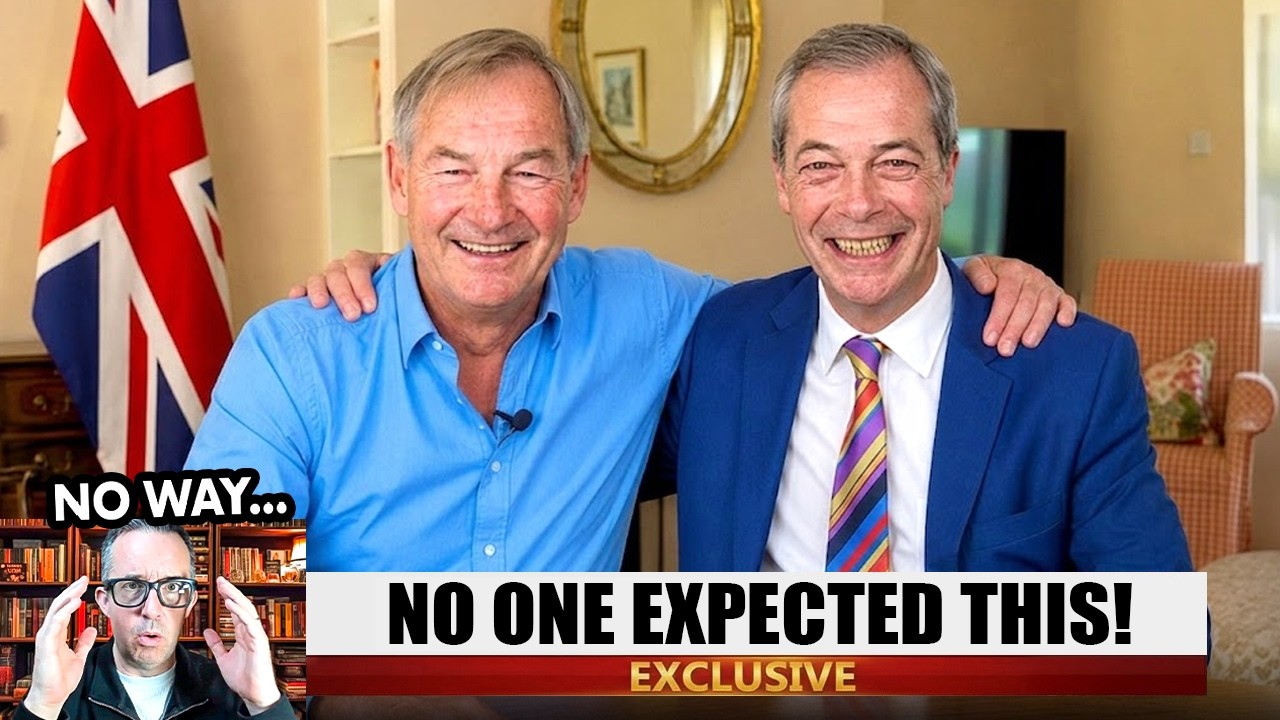
A surprising political development has sparked fresh debate across Britain’s conservative movement after Restore Britain leader Robert Lowe publicly urged Nigel Farage and Reform UK to put their differences aside and work together.
In a video message released on social media, Lowe said he was prepared to cooperate with Farage if both sides could agree on “serious policies, serious reform, and serious government.” He acknowledged that recent disagreements had made such an offer personally difficult but argued that the interests of millions of British voters should come before political rivalries. According to Lowe, the country needs a patriotic government focused on national interests rather than personal disputes.
The proposal quickly attracted attention among political commentators, with many describing it as an unexpected attempt to unite parties on the political right ahead of future elections. Lowe argued that cooperation had already proven successful at the local level, pointing to recent collaboration in Norfolk County Council as an example of what could be achieved if similar efforts were expanded nationally.
He warned that failing to explore cooperation could strengthen what he described as an emerging alliance on the political left. In his view, disagreements between conservative figures should not prevent broader efforts to challenge parties that he believes are moving Britain in the wrong direction. Lowe concluded by saying that putting aside personal differences was now necessary for the good of the country.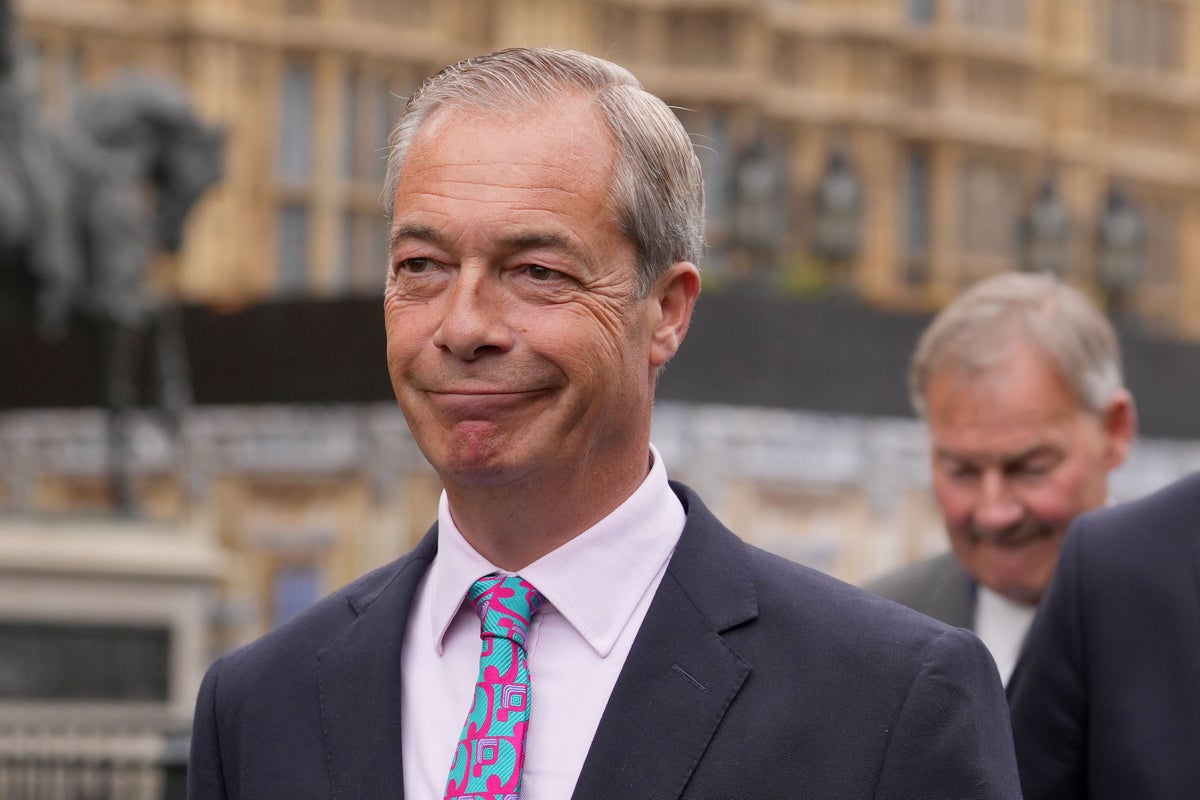
The comments prompted immediate discussion online, with some supporters welcoming the gesture while others questioned whether such an agreement would ever be possible. The commentator reviewing Lowe’s announcement admitted he initially believed reports of the proposal were fake before confirming that the video was genuine. He described the move as a significant political moment but cautioned against drawing immediate conclusions before seeing how Reform UK responds.
Despite praising Lowe’s willingness to seek common ground, the commentator expressed doubt that Nigel Farage would ultimately accept the offer. He suggested that political tensions between the two figures remain substantial and predicted that Reform UK may be reluctant to enter any formal arrangement, even if the proposal generates positive reactions among sections of the electorate.
Much of the discussion focused on the wider challenges facing right-leaning parties in Britain. According to the commentator, elections have repeatedly shown that conservative and nationalist parties often split the vote, while parties on the left are generally more willing to cooperate. He argued that this division weakens the electoral prospects of right-of-centre movements even when they collectively attract significant public support.
The recent Greater Manchester election was presented as an example. Restore Britain secured more than 40,000 votes, which the commentator described as an impressive result for a relatively new political movement. However, he noted that Labour still received roughly twice as many votes, despite overall turnout reportedly standing at only around 25 percent. He argued that low voter participation continues to distort election outcomes and allows highly motivated voting blocs to dominate results.
The commentator also questioned the effectiveness of Britain’s current electoral system, arguing that many potential conservative voters simply choose not to participate. In his view, this lack of engagement poses a greater obstacle than competition between parties themselves. He suggested that unless turnout increases substantially, electoral victories for parties seeking major political change will remain difficult regardless of coalition-building efforts.
Beyond electoral arithmetic, he stressed the importance of political education. He argued that misinformation, public disengagement, and a lack of practical experience among some political figures have weakened public debate. According to the commentary, valuable ideas often exist within working-class communities but receive insufficient attention from those holding influential positions within political parties.
The discussion concluded with broader reflections on Britain’s representative democracy. The commentator argued that elected representatives should primarily serve the interests of their local communities rather than party organizations. In his opinion, political parties have gradually shifted power away from ordinary voters, making it harder for Parliament to reflect the concerns of the people it was originally designed to represent.
Whether Robert Lowe’s appeal leads to meaningful discussions remains uncertain. For now, his public invitation has reopened debate about whether Britain’s fragmented conservative movement can overcome internal divisions in pursuit of shared political goals. The coming days are expected to reveal whether Reform UK responds positively or whether the proposal becomes another missed opportunity for cooperation among parties seeking to reshape the country’s political landscape.