
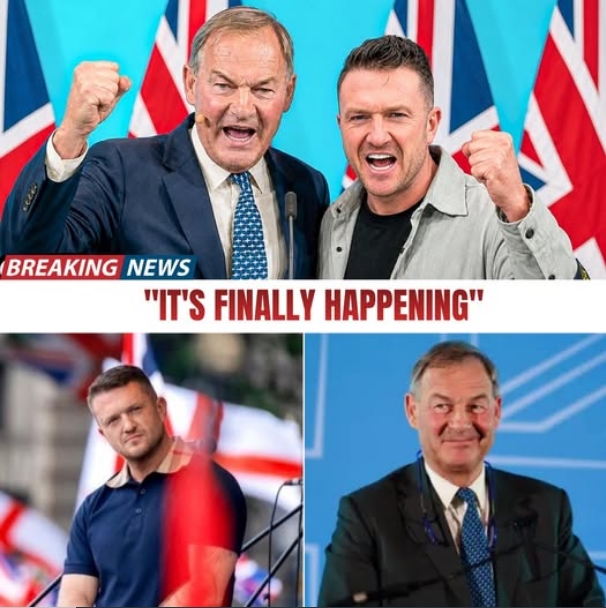
TOMMY ROBINSON AND RUPERT LOWE BACK MARLON WEST AS MANCHESTER MAYORAL RACE DRAWS ATTENTION
In a video released ahead of polling day, Robinson described West as someone who has personally witnessed what he called the failures of Britain’s public institutions after the grooming and trafficking of his daughter. Robinson argued that West had seen “every flaw” within the system and suggested those experiences would make him determined to pursue reform if elected. According to Robinson, West’s personal history gives him the resilience and motivation needed to confront issues that many politicians have failed to address.
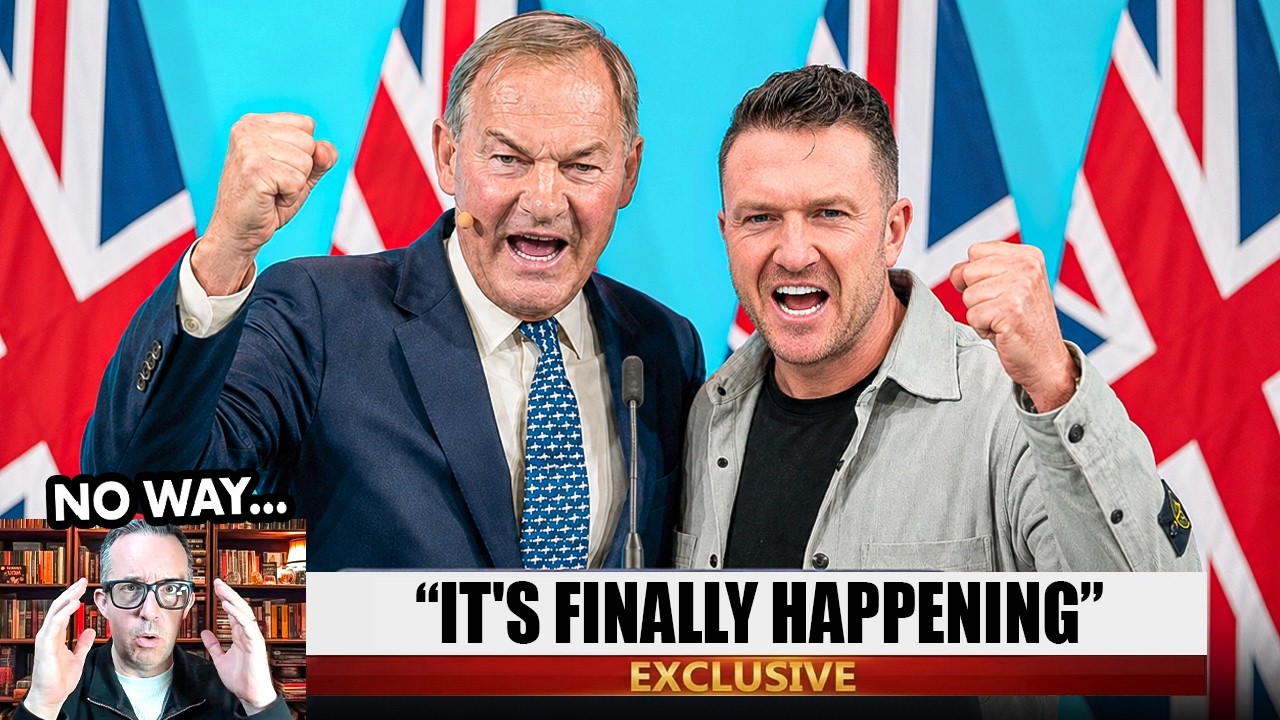
The video’s narrator echoed those views, claiming that many local authorities across England have become dominated by long-established political networks that make meaningful change difficult. He argued that cities including Liverpool, Birmingham, Bradford, Bristol, London and Manchester have remained under the influence of entrenched political structures, making it difficult for alternative candidates to gain support. These remarks reflected the speaker’s political opinion rather than independently verified facts.
West’s campaign has focused heavily on restoring local communities and supporting small businesses. During a visit to a traditional market, he spoke with traders about the decline of local shopping areas and the disappearance of historic community markets across Greater Manchester. He argued that markets once served as important gathering places where local businesses supported one another and neighbourhoods maintained a stronger sense of identity.
One business owner told West that smaller businesses often face greater financial pressures than larger companies despite contributing significantly to local communities. Rupert Lowe, who accompanied West during part of the visit, argued that future governments should protect cash payments and ensure businesses continue accepting cash, saying that many consumers increasingly encounter businesses operating on a card-only basis.
West also pledged to prioritise public safety if elected mayor. Speaking in Manchester city centre, he said one of his first actions would be to work closely with Greater Manchester Police to increase police visibility in areas affected by drug use and street crime. He stated that individuals involved in drug dealing or illegal drug use should face prosecution and be removed from affected locations. Supporters described the proposal as an attempt to restore public confidence in heavily used urban areas.

The discussion extended beyond policing to broader concerns about the condition of English communities. The video’s narrator argued that many traditional neighbourhoods have changed significantly over recent decades, claiming that long-established community life has weakened. He contrasted present-day conditions with memories of local markets, children playing in the streets and neighbours regularly helping one another. These comments represented the narrator’s interpretation of social change rather than an objective assessment.
Much of the support for West has centred on his family’s personal experience. Robinson highlighted the case involving West’s daughter, describing it as evidence that existing institutions had failed to protect vulnerable people. According to the speakers, those events have strengthened West’s determination to pursue reforms relating to public safety, policing and local government accountability.
The video also emphasised voter turnout, arguing that political change depends on greater participation at the ballot box. The narrator suggested that unless more people vote for alternative candidates, existing political leadership in many English cities is unlikely to change. He urged eligible voters in Greater Manchester to support West in the mayoral election while encouraging wider public participation in future elections.
Whether West’s message resonates with voters remains to be seen, but his campaign has attracted attention by combining personal experience with promises to address crime, strengthen local communities and support traditional high streets. Robinson and Lowe argue that those priorities reflect concerns shared by many residents, while the outcome of the election will ultimately determine whether voters agree with that assessment.