UK Home Secretary Shabana Mahmood is facing fierce public pushback after releasing a video defending the government’s approach to the ongoing small boat crisis.
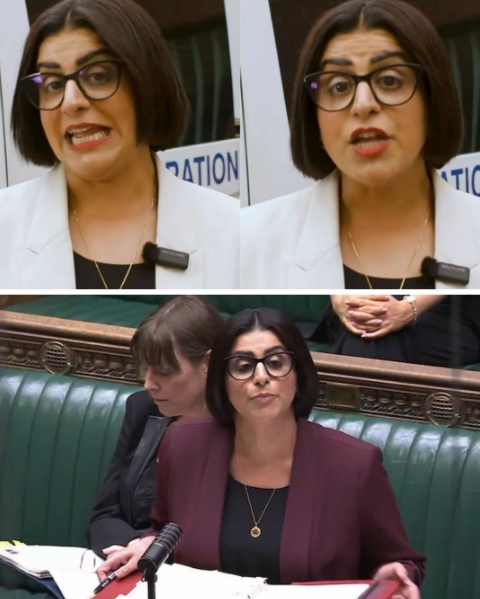
In her address, Mahmood explicitly rejected growing conservative demands to deploy the Royal Navy in the English Channel and dismissed calls for the UK to withdraw from the European Convention on Human Rights (ECHR).
In the video, Mahmood tackled the popular demand among strict border control advocates to use the Royal Navy to physically push migrant dinghies back to French shores. She firmly rejected the proposal, characterizing it as both dangerous and diplomatically reckless.
“These boats are so flimsy you would knock people into the sea. That would mean killing people,” Mahmood stated. She further argued that such aggressive tactics would sever the UK’s relationship with France, heavily crediting French cooperation—including the deployment of 1,000 officers to French beaches and a “payment by results” funding deal—for a recent decline in boat crossings.
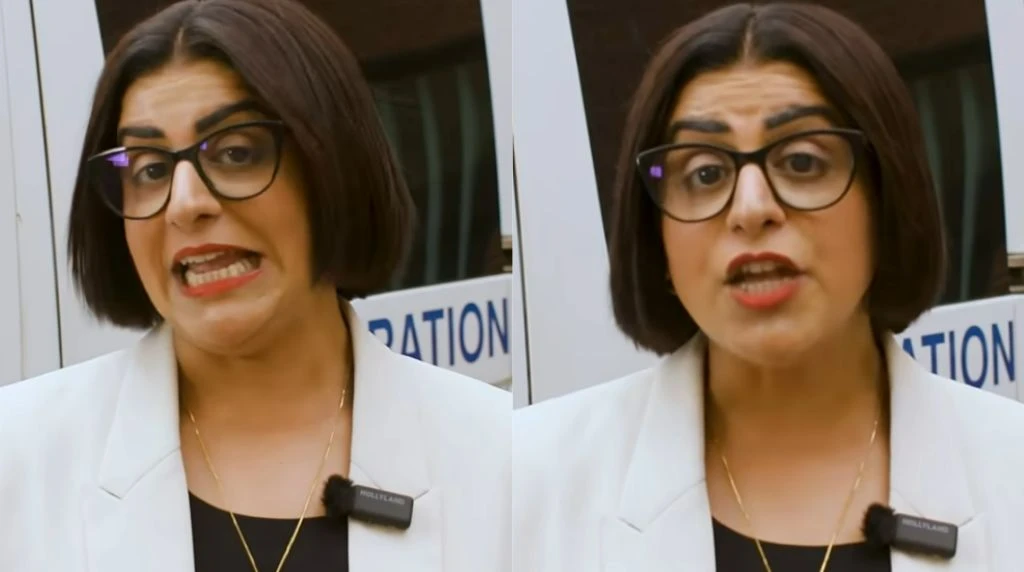
The Home Secretary also strongly opposed exiting the ECHR. She argued that abandoning the treaty would “torch relationships” with critical European partners like Germany and France, whose intelligence sharing she claims is vital for dismantling human smuggling networks and facilitating deportations. To address public frustration with the slow pace of removals, Mahmood promised significant reforms to the UK’s appeals courts to prevent “vexatious” legal delays, stating that over 80,000 immigration offenders and criminals have been returned since the election.
However, Mahmood’s statements immediately sparked outrage from right-leaning commentators and border security advocates, who accused the Labour government of “gaslighting” the public and relying on propaganda.
Critics fiercely contested Mahmood’s framing of the Royal Navy proposal. Commentators argued that naval vessels could be used for humanitarian interceptions—rescuing migrants from unsafe dinghies and returning them directly to French sovereign territory, rather than allowing them to complete the journey to the UK.
Opponents also heavily disputed Mahmood’s defense of the ECHR, arguing that the UK, as a sovereign nation, could easily negotiate bilateral security and deportation partnerships with European nations without being bound by the decades-old convention.
Furthermore, skeptics challenged the government’s border statistics. While Mahmood touted 80,000 overall immigration offender returns, critics zeroed in on her specific figure regarding the Channel crisis: only 6,000 small boat arrivals have been returned since July 2024. Opponents argue this is an unacceptably low fraction given the tens of thousands who arrived in record-setting waves over the past two years. Finally, critics dismissed the government taking credit for the recent drop in Channel crossings, arguing the decrease is actually due to a broader 52% reduction in illegal crossings into mainland Europe as a whole.
The stark divide over the Home Secretary’s address underscores the deeply polarized, ongoing debate over UK sovereignty, international human rights obligations, and how to effectively enforce the English Channel border.