Free Speech Row Erupts as Rupert Lowe and Muslim MP Clash Over Quran Debate
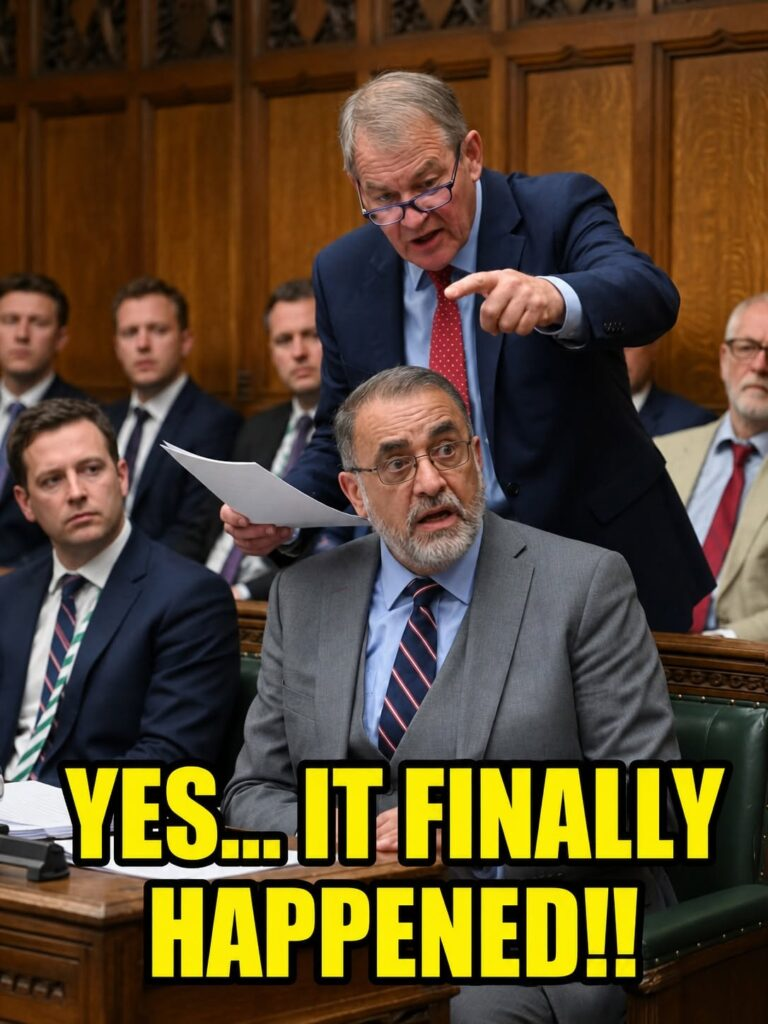
Muslim MP EMBARRASSES HIMSELF Against Rupert Lowe Defending The Unthinkable!!!
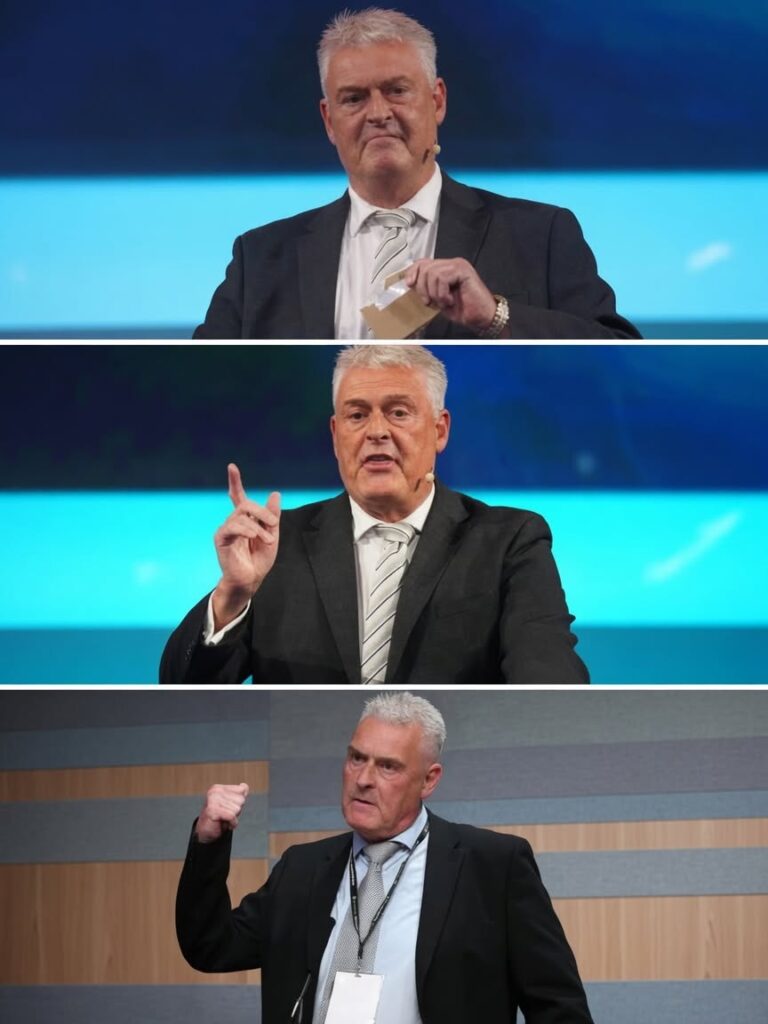
A heated exchange between independent British politician Rupert Lowe and Independent Alliance MP Adnan Hussain has sparked fresh debate across the United Kingdom, with thousands of people weighing in on where the line should be drawn between freedom of speech and respect for religious beliefs.
The disagreement quickly spread across social media, where clips of the exchange attracted widespread attention. Supporters from both sides argued passionately over whether offensive speech should always be protected or whether there should be limits when religious communities are involved.
The Debate That Captured Public Attention
The controversy began after Rupert Lowe made comments defending what he described as the importance of protecting freedom of expression, even when that speech is considered offensive by some groups. His remarks were linked to the broader discussion surrounding Quran-burning incidents and the legal questions they have raised in Britain.
Lowe argued that free speech cannot exist if people are only allowed to express opinions that everyone finds acceptable. According to his position, a democratic society must protect the right to express controversial, unpopular, or offensive views, regardless of which religion or community is affected.
His comments immediately drew criticism from Adnan Hussain, who argued that such language risks targeting Muslims rather than simply defending free speech. Hussain suggested that repeatedly focusing on Islam under the banner of free expression can contribute to hostility against Muslim communities.
Two Different Views of Freedom
The disagreement reflects a wider debate taking place across Britain.
One side believes that freedom of speech loses its meaning if governments or public institutions begin deciding which opinions may be expressed. Supporters of this view argue that offensive speech should remain legal unless it directly incites violence or breaks existing criminal laws.
The opposing view argues that while free speech is essential, public figures also carry responsibility for the consequences of their words. Critics believe repeated attacks on religious symbols or beliefs may increase social tensions and make minority communities feel unfairly targeted.
The exchange between Lowe and Hussain became a symbol of these competing philosophies rather than simply a personal political disagreement.
Why the Issue Matters
The discussion comes at a time when Britain continues to face complex questions surrounding multiculturalism, religious freedom, immigration, and national identity.
Recent controversies involving protests, demonstrations, and incidents related to religious expression have placed additional pressure on politicians to explain where they stand on freedom of speech.
For many observers, the debate is no longer only about one statement or one politician. Instead, it has become part of a much larger conversation about how liberal democracies should balance individual freedoms with respect for diverse communities.
Public Reaction
Online reaction was deeply divided.
Supporters of Rupert Lowe praised his willingness to defend unrestricted free speech, arguing that no religion should receive special legal protection from criticism or offense. Many described his comments as a defense of long-standing democratic values.
Meanwhile, supporters of Adnan Hussain argued that freedom of expression should never become an excuse for language that appears to single out one religious community. They warned that political rhetoric can have real social consequences and should be used responsibly.
As often happens in modern political debates, both viewpoints gained significant support, with thousands of comments shared across social media platforms.
The Bigger Picture
Legal experts note that the United Kingdom does not have traditional blasphemy laws protecting Islam or most other religions. However, existing laws still prohibit speech that intentionally incites violence or hatred against protected groups. This legal distinction often becomes central whenever controversies involving religion and free expression emerge.
The discussion also highlights the continuing challenge faced by democratic societies: protecting freedom of speech while maintaining social harmony among communities with different beliefs and values.
Conclusion
The exchange between Rupert Lowe and Adnan Hussain has become another example of how debates over religion, politics, and freedom of expression can quickly dominate public discussion.
Whether people agree with Lowe’s emphasis on unrestricted free speech or Hussain’s concerns about protecting religious communities from hostility, the controversy demonstrates that questions surrounding free expression remain among the most sensitive issues in British politics today.
As public debate continues, the conversation is likely to extend beyond this single political exchange and into wider discussions about democracy, tolerance, and the responsibilities that come with freedom of speech.