HOW MUCH LONGER CAN BRITAIN TURN ABLIND EYE?” Rupert Lowe’s Westminster Speech Reignites Fierce National Debate Over Migration and Public Safety
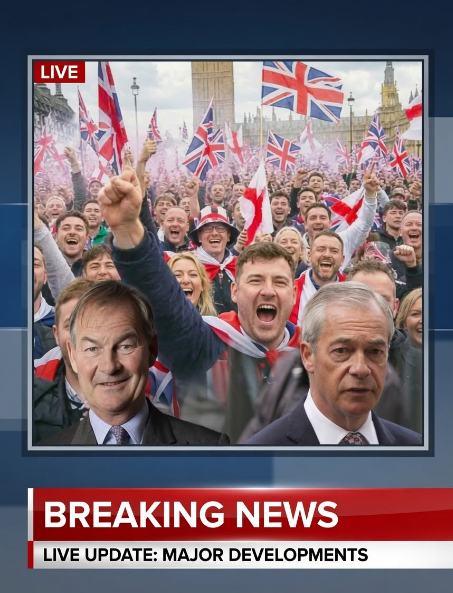
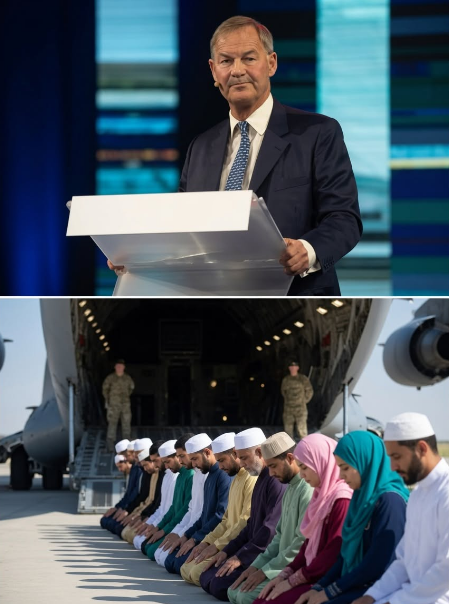
A passionate speech delivered by independent MP Rupert Lowe in Westminster has once again thrust the subjects of immigration, border control, and public safety into the center of Britain’s political conversation. Speaking during a period of heightened national debate over migration policy, Lowe argued that successive governments have failed to address public concerns adequately, warning that confidence in political institutions could continue to erode if longstanding issues remain unresolved. His remarks immediately sparked intense reactions from supporters and critics alike, illustrating just how deeply divided opinion remains on one of the UK’s most contentious policy areas. While many praised his willingness to raise difficult questions, others accused him of oversimplifying complex challenges or risking further polarization. Regardless of political affiliation, the speech has become one of the most discussed moments in Westminster, highlighting the continuing struggle to balance humanitarian obligations, border security, community cohesion, and public confidence.
For several years, immigration has remained among the defining issues shaping British politics. Although the United Kingdom formally left the European Union following the Brexit referendum, migration has continued to dominate election campaigns, parliamentary debates, and public opinion surveys. The number of asylum applications, irregular Channel crossings, and legal migration figures have all contributed to ongoing political controversy. Governments from different parties have introduced numerous reforms, promising to strengthen border controls while maintaining Britain’s international commitments under refugee and human rights law. Yet despite repeated legislative efforts, many voters continue to believe that the overall system remains under considerable strain. Rupert Lowe’s latest intervention taps directly into these broader frustrations, reflecting concerns that have persisted across multiple election cycles.
During his address, Lowe argued that immigration policy should ultimately prioritize the safety, security, and interests of British citizens. According to his remarks, governments have too often focused on administrative targets or legal processes without adequately addressing the concerns expressed by local communities. He claimed that public confidence has weakened because many people believe promises of stronger border control have not translated into visible results. Lowe also questioned whether existing enforcement mechanisms are sufficiently effective, suggesting that gaps between announced policies and practical implementation have contributed to growing public skepticism. His comments were delivered forcefully but reflected arguments he has consistently advanced in previous speeches. Supporters described the speech as a necessary challenge to political complacency, while opponents argued that the issues deserve greater nuance and broader context.
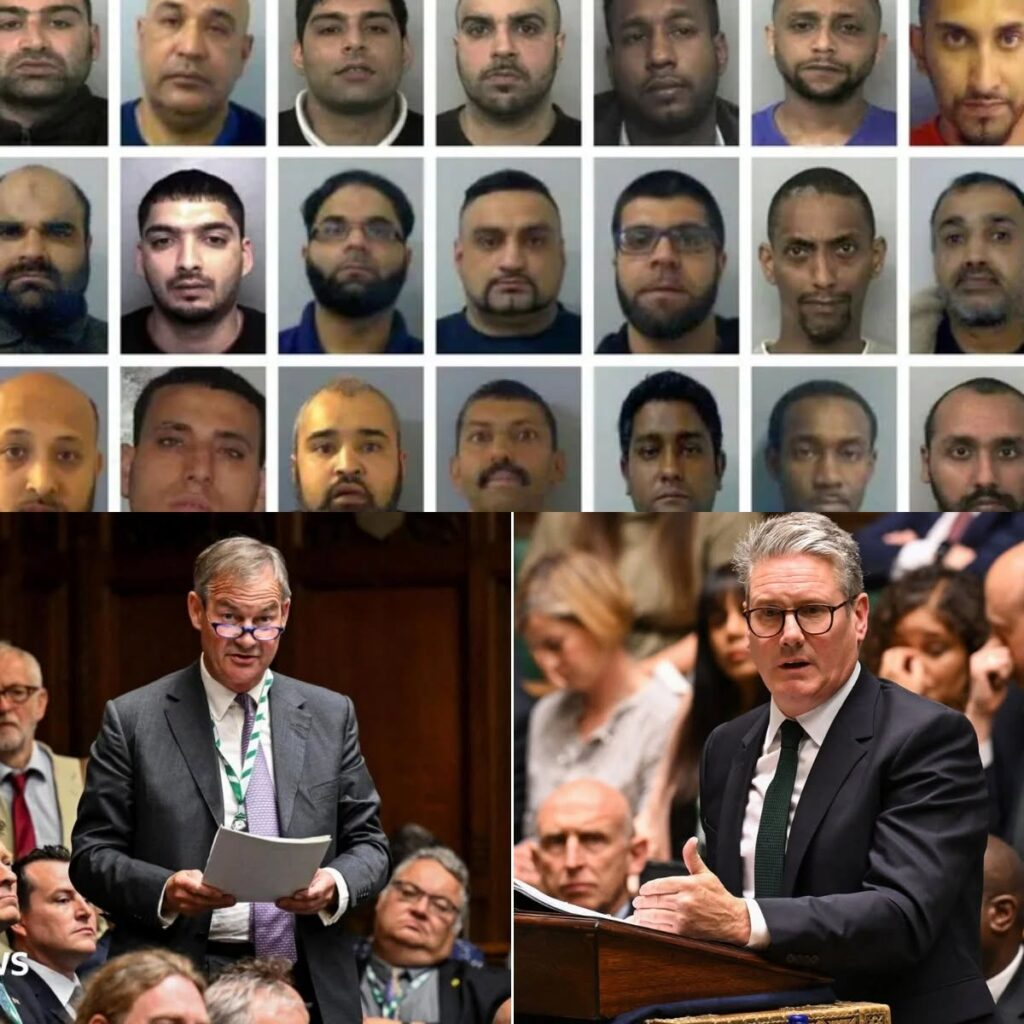
One of the central themes of Lowe’s speech involved the relationship between migration policy and public safety. He argued that discussions surrounding crime, policing, and border security should not be considered separate debates but interconnected policy challenges requiring coordinated solutions. Lowe maintained that communities deserve reassurance that immigration systems operate efficiently, transparently, and fairly. However, critics quickly responded that linking migration too broadly with public safety risks creating misleading public perceptions, particularly given the wide range of circumstances involving migrants and asylum seekers. Many policy experts continue to emphasize that crime trends depend upon numerous economic, social, and demographic factors rather than immigration alone. This disagreement reflects one of the most persistent fault lines within contemporary British politics.
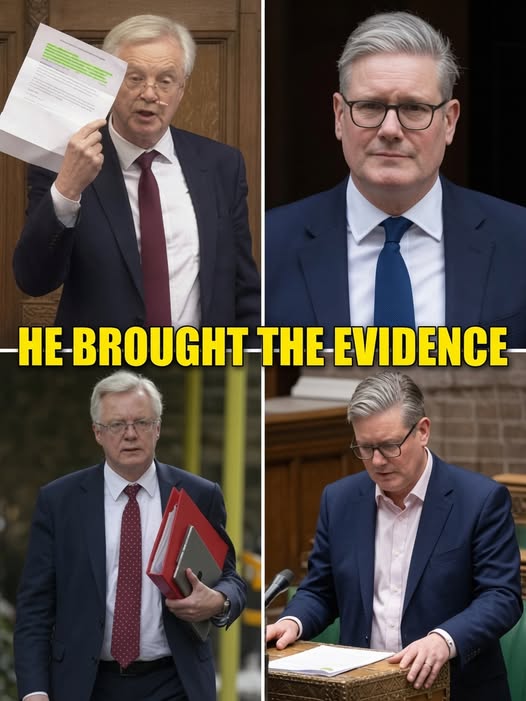
Another significant point raised during the speech concerned political accountability. Lowe argued that elected officials should accept greater responsibility when government policies fail to achieve their stated objectives. In his view, repeated promises to reduce irregular migration have not produced outcomes that satisfy many voters. He questioned whether ministers have provided sufficient transparency regarding the effectiveness of current enforcement strategies and border management initiatives. His remarks echoed criticisms increasingly voiced by sections of the electorate that political leaders from multiple parties have struggled to deliver durable solutions. Whether those criticisms accurately reflect policy performance remains a matter of continuing debate among analysts and lawmakers.
The speech also addressed public confidence in national institutions. Lowe suggested that trust is weakened whenever citizens perceive a disconnect between official messaging and their own experiences. He argued that policymakers should engage more openly with concerns raised by local communities instead of dismissing them as politically inconvenient. Supporters believe such arguments resonate because many voters increasingly express frustration over rising pressure on housing, healthcare, education, and local government services. Others counter that these challenges stem from multiple structural factors, including economic conditions, infrastructure investment, and demographic change, rather than migration alone. The differing interpretations demonstrate why consensus remains difficult to achieve.
Reaction inside Westminster was swift and highly polarized. Some MPs praised Lowe for articulating concerns that they believe many constituents have voiced privately for years. Others criticized both his tone and his conclusions, arguing that effective policymaking requires careful analysis rather than emotionally charged rhetoric. Several parliamentarians emphasized that Britain’s immigration system already includes extensive legal safeguards and enforcement mechanisms designed to balance security with humanitarian responsibilities. Opposition figures likewise argued that constructive reform should focus on practical improvements rather than political confrontation.
Despite these disagreements, few disputed that migration remains one of Parliament’s most politically sensitive subjects.
Outside Parliament, the speech rapidly gained momentum across television broadcasts, newspaper coverage, and social media platforms. Video clips circulated widely, generating thousands of comments from viewers expressing sharply contrasting opinions. Supporters described Lowe as raising questions that mainstream politicians have often avoided, while critics warned that simplified narratives can intensify social division. Commentators from across the political spectrum analyzed individual sections of the speech, debating not only its substance but also its broader implications for future elections. The rapid spread of the debate illustrates how political speeches increasingly evolve into nationwide conversations within hours of being delivered. Digital platforms continue to amplify these moments far beyond Westminster itself.
The broader political context helps explain why Lowe’s remarks have attracted such significant attention. Britain continues to face ongoing debates regarding asylum processing, legal migration pathways, labor shortages, border enforcement, and international obligations under refugee conventions. Governments have attempted various reforms, including new legislation targeting irregular Channel crossings, expanded cooperation with European partners, and proposals concerning asylum accommodation and removals. Many of these initiatives have themselves become subjects of legal challenges, parliamentary scrutiny, and public protest. Against this backdrop, any forceful intervention concerning migration inevitably attracts widespread media interest. Lowe’s speech therefore entered an already highly charged national discussion rather than creating it from scratch.
Public opinion polling over recent years consistently indicates that immigration remains among the issues many British voters consider important. However, surveys also demonstrate that attitudes vary significantly depending on how questions are framed. Some respondents prioritize stronger border enforcement and reduced irregular migration, while others emphasize humanitarian responsibilities, international law, and economic contributions made by migrants. Many citizens simultaneously support controlled immigration while also backing refugee protection under appropriate legal frameworks. These complexities make political messaging particularly challenging for all major parties. Lowe’s speech reflects one perspective within this much broader national conversation.
Economic considerations also remain central to immigration debates. Certain industries continue to rely heavily upon international workers to address labor shortages in healthcare, agriculture, hospitality, technology, and construction. Business organizations frequently argue that immigration contributes positively to economic growth and workforce stability when managed effectively. At the same time, some communities express concern regarding infrastructure capacity, housing
availability, and competition for public resources. Policymakers therefore face the difficult task of balancing labor market needs with public expectations surrounding border control. Lowe argued that existing policies have not achieved this balance successfully, although many economists would likely offer more nuanced assessments.
Questions surrounding integration featured indirectly throughout the speech as well. Lowe suggested that successful immigration policy depends not only upon controlling entry but also upon ensuring effective integration within local communities. This theme has become increasingly prominent across Europe, where governments debate language requirements, civic education, employment participation, and community cohesion initiatives. Many researchers argue that integration outcomes depend upon sustained investment from both public authorities and civil society organizations. Others believe stronger immigration controls should precede broader integration efforts. These differing priorities continue to shape policy debates across numerous democratic countries.
The media response demonstrated considerable variation depending upon editorial perspective. Some publications highlighted Lowe’s warnings regarding border security and public confidence, presenting the speech as evidence of growing political pressure on the government. Others focused on criticisms from opponents who argued that complex migration challenges cannot be reduced to simple political slogans. Several commentators noted that many issues discussed by Lowe have already been examined extensively through parliamentary committees, independent reviews, and academic research. Consequently, the debate quickly expanded beyond the speech itself into wider questions concerning political communication and evidence-based policymaking. Such responses illustrate the diversity of viewpoints within Britain’s media landscape.
Civil society organizations also entered the discussion shortly after the speech. Groups advocating refugee rights emphasized the importance of distinguishing between irregular migration, legal migration, and individuals seeking asylum under international law. They warned that generalized political narratives can unintentionally affect communities who have lawfully settled and contributed positively to British society. Meanwhile, organizations advocating stronger border controls argued that governments must respond more decisively to illegal crossings and enforcement challenges. These contrasting interventions further underscored how migration policy intersects with legal, humanitarian, economic, and security considerations simultaneously. Rarely does any single speech fully capture all these dimensions.
Political analysts suggested that Lowe’s intervention may also carry electoral implications. Immigration consistently influences campaign messaging across multiple parties, particularly during periods of heightened public concern. Speeches that receive widespread attention often shape subsequent parliamentary questions, media interviews, and policy announcements. Whether Lowe’s
latest remarks ultimately influence government decisions remains uncertain, but they have unquestionably contributed to maintaining migration near the top of Britain’s political agenda. Analysts note that political narratives can affect voter perceptions even before concrete policy changes occur. Consequently, the speech’s long-term significance may extend beyond its immediate news cycle.
The government’s position continues to emphasize efforts aimed at strengthening border security while maintaining compliance with domestic and international legal obligations. Ministers have repeatedly defended ongoing reforms designed to reduce irregular migration, accelerate asylum decision-making, and disrupt criminal smuggling networks. Government representatives argue that meaningful progress requires sustained implementation rather than short-term political reactions. Critics, however, contend that announced measures have yet to produce sufficiently visible improvements. This disagreement remains central to ongoing parliamentary scrutiny and public debate. Lowe’s speech added another prominent voice challenging the pace and effectiveness of existing policies.
Meanwhile, opposition parties continue presenting alternative approaches focused on administrative efficiency, international cooperation, and improved asylum processing systems. Some argue that expanding safe and legal migration pathways could reduce incentives for dangerous irregular crossings. Others emphasize enhanced cooperation with neighboring countries to combat organized smuggling operations. These proposals differ substantially from Lowe’s more confrontational political framing but nevertheless acknowledge that reform remains necessary. Across Parliament, there appears to be broad recognition that migration policy will remain a major legislative priority regardless of which party holds power. The principal disagreements concern methods rather than the existence of challenges themselves.
For ordinary citizens following the debate, the speech raises broader questions extending beyond individual political figures. How should governments balance humanitarian obligations with border security? What level of immigration best serves long-term national interests? How can policymakers rebuild public confidence while maintaining respect for legal protections and international commitments? These questions have no universally accepted answers, which helps explain why migration remains one of the most enduringly contentious issues in democratic politics. Lowe’s remarks have once again brought these dilemmas into sharp public focus.
Ultimately, Rupert Lowe’s Westminster speech represents another significant chapter in Britain’s continuing national conversation over migration, governance, and public confidence. Whether viewed as a courageous intervention or an overly simplified critique, the speech has undeniably succeeded in capturing public attention and stimulating extensive debate across political, media, and civic circles. As lawmakers continue considering future immigration reforms, arguments from
both supporters and critics are likely to shape the direction of policy discussions in the months ahead. What remains clear is that migration will continue to occupy a central place within Britain’s political landscape, influencing elections, parliamentary debates, and public discourse alike. The questions raised in Westminster may not yet have definitive answers, but they have once again reminded the country that this debate is far from over.