
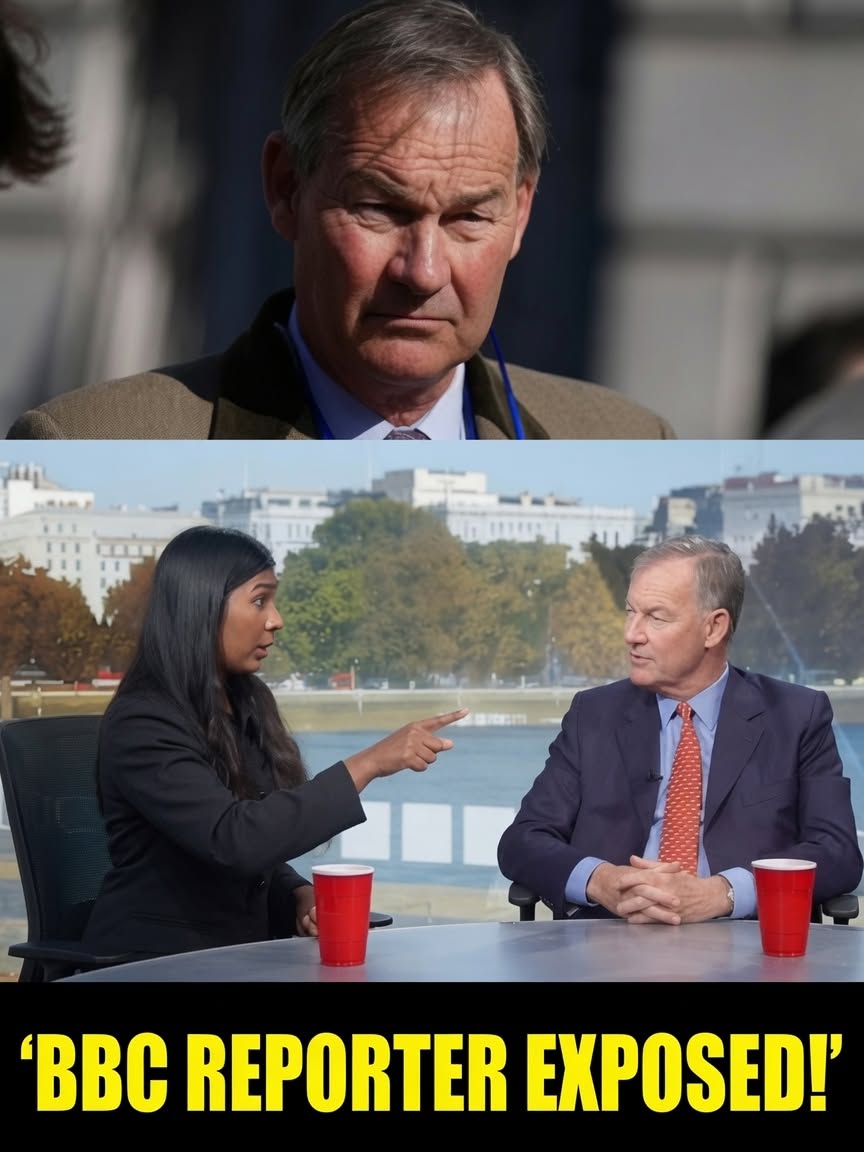
Rupert Lowe’s Explosive BBC Interview SendsShockwaves Through UK Politics as ImmigrationDebate Reaches New Intensity
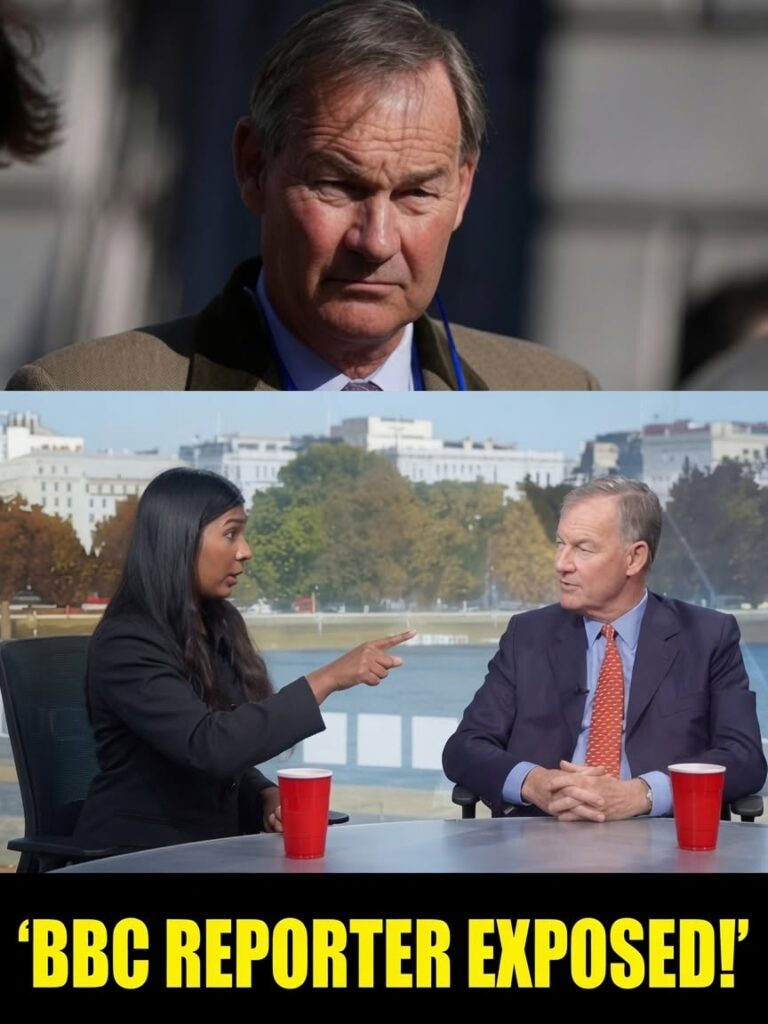
A heated BBC interview featuring British politician Rupert Lowe has ignited a fierce national debate after a tense exchange over illegal immigration, government policy and the role of political leadership in addressing one of the United Kingdom’s most divisive issues. During the interview, Lowe strongly defended his position, challenged the interviewer’s approach and criticized what he described as the failure of the political establishment to confront the immigration crisis directly. The confrontation quickly spread across social media, triggering intense reactions from both supporters and critics. While some praised his direct communication style and willingness to challenge mainstream narratives, others questioned his arguments and accused him of oversimplifying a complex issue. The interview has become another flashpoint in Britain’s ongoing debate over borders, national identity and public trust in politics.
The BBC interview involving Rupert Lowe quickly became one of the most discussed political moments of the week after a tense exchange captured widespread public attention. Rather than following a traditional interview format, the conversation developed into a sharp confrontation over
illegal immigration and how the government should respond. Lowe repeatedly defended his position, arguing that politicians have failed to address concerns expressed by many voters. His direct approach created a dramatic moment that spread rapidly online, where clips from the interview were shared thousands of times. The reaction showed once again how political interviews can become major events in the modern media landscape.
At the center of the controversy was the issue of illegal immigration, a topic that has remained highly sensitive in British politics for years. Rising public concern over border control, migration management and government policy has created pressure on political leaders to provide clearer solutions. Lowe used the interview as an opportunity to criticize what he sees as a weak response from established political parties. He argued that ordinary citizens feel ignored when discussing immigration-related concerns. However, critics responded that the issue requires detailed policies rather than strong emotional statements.
Rupert Lowe’s approach during the interview reflected a style increasingly common among politicians seeking to challenge traditional political communication. Instead of offering cautious responses, he adopted a more confrontational tone and directly questioned the assumptions behind the interviewer’s questions. Supporters viewed this approach as refreshing, arguing that many politicians avoid difficult conversations because they fear public criticism. They praised Lowe for speaking in a straightforward manner and addressing issues they believe are often avoided. Critics, however, argued that political discussions require accuracy, balance and consideration of different perspectives.
The reaction to the interview revealed a deep divide among viewers. Many supporters of Lowe described the exchange as an example of a politician refusing to follow what they see as traditional political messaging. They argued that his willingness to challenge the interviewer represented a demand for accountability from the media and political institutions. Some viewers said they appreciated the fact that he addressed immigration concerns directly rather than using general statements. For these supporters, the interview represented frustration with what they consider years of ineffective political responses.
On the other side of the debate, critics argued that Lowe’s statements lacked sufficient context and failed to recognize the complexity of immigration issues. They pointed out that illegal immigration involves multiple factors, including international conditions, legal systems, economic pressures and humanitarian considerations. According to critics, political leaders should avoid presenting complicated challenges as simple problems with easy solutions. They also questioned whether aggressive communication helps create realistic policy discussions. The disagreement highlighted the wider challenge of balancing strong political opinions with practical solutions.
The BBC interview also raised questions about the changing relationship between politicians and traditional media outlets. In previous decades, political interviews were largely controlled by broadcasters, with journalists setting the direction of public discussions. Today, social media allows politicians to bypass traditional platforms and communicate directly with millions of viewers. A controversial interview can quickly become more influential online than the original broadcast itself. Lowe’s appearance demonstrated how modern political communication has shifted toward direct confrontation and viral moments.
For many voters, immigration has become closely connected with broader concerns about national identity, public services and government effectiveness. Discussions about illegal immigration often involve emotional responses because they relate to questions about security, fairness and social change. Lowe’s comments gained attention because they connected with voters who feel that political leaders have not adequately addressed these concerns. Supporters argue that governments must take stronger action to protect national borders. Opponents believe that political debates must also consider the human and economic dimensions of migration.
The controversy surrounding the interview reflects wider tensions within British politics. Many voters have become increasingly skeptical of traditional political institutions and question whether established parties understand public concerns. Politicians who challenge mainstream views often attract attention because they present themselves as alternatives to the existing system. Lowe’s performance during the interview positioned him as a figure willing to confront uncomfortable topics. Whether that approach strengthens public confidence or increases political division remains a subject of ongoing debate.
The role of the interviewer also became part of the discussion following the broadcast. Supporters of Lowe argued that journalists should challenge political leaders but also allow them to fully explain their positions. Some accused mainstream media of approaching certain political topics with a predetermined perspective. Critics rejected that argument, saying journalists have a responsibility to question politicians and examine their claims. The disagreement reflected a broader debate about media independence, political accountability and public trust.
The interview’s popularity online showed how modern audiences engage with political content differently. Short video clips, reactions and commentary can sometimes attract more attention than the full discussion itself. This creates a situation where individual moments from interviews can shape public perception of politicians. Supporters often share clips that reinforce their views, while critics highlight different parts of the same conversation. The result is a highly competitive information environment where political messages spread quickly.
Rupert Lowe’s supporters believe his communication style represents a demand for stronger leadership on immigration. They argue that many voters are tired of carefully prepared political statements and want politicians who speak more directly. From this perspective, confrontation is not necessarily a weakness but a sign of confidence and determination. They believe political debates should include challenging questions and strong opinions. However, critics argue that effective leadership requires more than strong language and must include detailed planning and realistic implementation.
The debate also reflects broader disagreements about how governments should respond to illegal immigration. Some argue that stronger enforcement measures are required to maintain control over national borders. Others believe governments must address the causes behind migration while maintaining legal and humanitarian responsibilities. The disagreement is not limited to one country, as similar debates are taking place across Europe and other parts of the world. Lowe’s interview became another example of how immigration remains one of the most politically powerful issues today.
Political analysts suggest that moments like this can influence public discussions far beyond the original event. A single interview can reshape how voters view a politician, especially when the exchange creates strong emotional reactions. Politicians who successfully capture public attention can gain increased visibility and support. At the same time, controversial moments can also create criticism and damage credibility among certain groups. The long-term impact of Lowe’s BBC appearance will depend on how voters interpret both his message and his communication style.
The controversy also highlights the growing importance of authenticity in modern politics. Many voters say they prefer politicians who appear genuine rather than carefully controlled by advisers and communication teams. Lowe’s direct style appealed to those who believe political language has become too cautious and disconnected from everyday concerns. However, authenticity alone does not guarantee effective policy outcomes. A politician’s popularity often depends on whether strong messages are followed by practical solutions.
The BBC interview demonstrates how immigration remains one of the most challenging political topics facing governments today. Leaders must respond to public concerns while managing legal obligations, economic realities and social impacts. Simplifying the issue may attract attention, but creating effective policies requires detailed analysis and long-term planning. The disagreement surrounding Lowe’s comments shows that there is still no easy agreement on the best approach. Different groups continue to prioritize different values and concerns.
Beyond the immediate controversy, the interview represents a larger struggle over who controls political conversations. Traditional institutions such as broadcasters and newspapers are competing
with social media platforms where politicians can communicate directly with supporters. This shift has changed how political messages are created, shared and debated. Lowe’s interview became influential because it combined a controversial topic with a confrontational exchange. The moment reflected the new reality of politics, where public attention can be captured within minutes.
Critics and supporters may disagree about Rupert Lowe’s statements, but both sides recognize that immigration remains a major issue influencing British politics. The debate has exposed frustrations among voters, disagreements among political groups and challenges facing policymakers. It has also shown how difficult it can be to discuss sensitive topics in a highly divided environment. The reaction to the interview demonstrates that immigration debates are not only about policies but also about trust, identity and political representation.
As discussions continue, Rupert Lowe’s BBC interview is likely to remain a reference point in conversations about immigration and political communication. Supporters see it as an example of a politician confronting difficult issues without hesitation. Critics see it as evidence of the risks involved when complex topics are addressed through aggressive political messaging. Regardless of perspective, the interview succeeded in doing what many political moments attempt to achieve: capturing public attention and forcing a wider conversation.
The lasting impact of the controversy will depend on whether the debate moves beyond the confrontation itself and toward meaningful discussions about solutions. Political disagreements are expected in democratic societies, especially on issues as complex as immigration. However, the challenge remains finding ways to combine strong public debate with practical decision-making. Rupert Lowe’s BBC appearance has become more than a single interview; it has become part of a larger conversation about the future direction of British politics and how leaders communicate with the public.