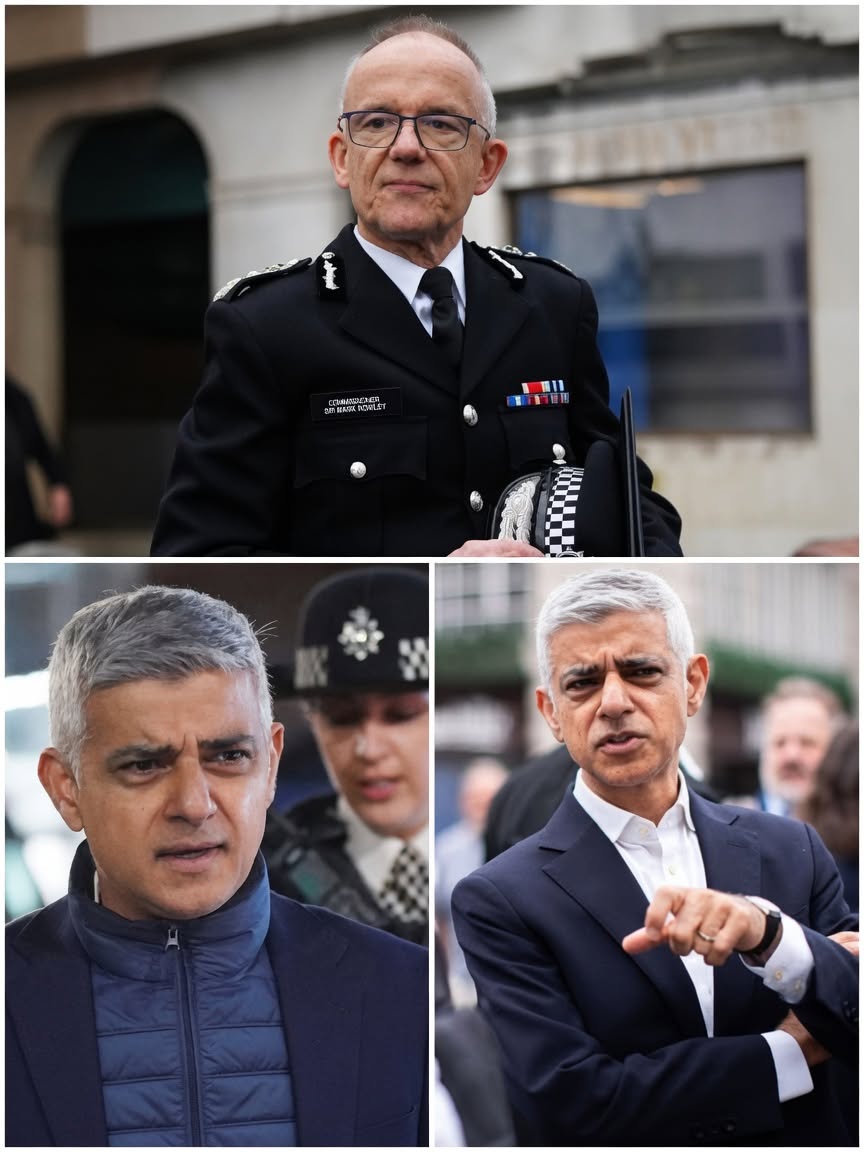
SHOULD SADIQ KHAN STEP DOWN? Grooming GangDebate Reignites Political Controversy Across Britain
Calls for London Mayor Sadiq Khan to resign have once again become the subject of intense public discussion after renewed attention surrounding the long-running grooming gang controversy. While some campaigners argue that political leaders should be held accountable for broader institutional failings, others maintain that there is no evidence directly linking the Mayor to the crimes in question or justifying his resignation. As the debate spreads across social media and political circles, the issue has once again exposed deep divisions over accountability, public trust, and the responsibilities of elected officials.
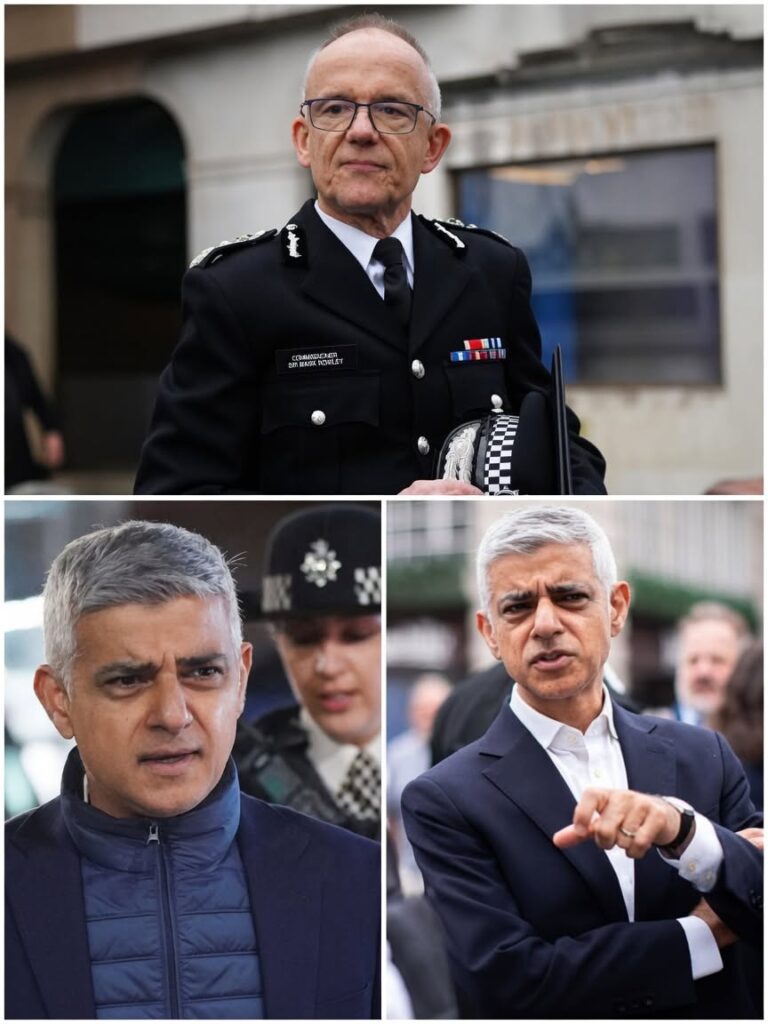
The renewed discussion surrounding Sadiq Khan comes at a time when public confidence in institutions continues to face scrutiny across the United Kingdom. Although the crimes commonly referred to as “grooming gang” cases have been investigated in several parts of England over many years, renewed online discussion has prompted fresh debate over whether senior political figures should bear responsibility for perceived institutional failures. The controversy has generated
thousands of comments across social media, with supporters and critics of the Mayor offering sharply contrasting interpretations of his role and responsibilities. As with many politically sensitive issues, the conversation extends well beyond the individual at the center of the debate, touching broader questions about governance, accountability, and public safety.
The poll asking whether Sadiq Khan should resign reflects a wider national conversation rather than any official process or announcement regarding his position. No formal resignation process has been initiated solely because of renewed public debate, and the Mayor has remained in office while continuing his official duties. Nevertheless, the question has gained traction online, where opinion polls often serve as a way of measuring public sentiment rather than determining political outcomes. Such polls can illustrate how divided public opinion has become, but they should not be interpreted as evidence of legal findings or official government action.
The grooming gang cases themselves represent one of the most disturbing criminal issues to have emerged in Britain during the past two decades. Investigations in several towns uncovered organized groups responsible for exploiting vulnerable children, leading to numerous criminal prosecutions and lengthy prison sentences. Independent inquiries, police investigations, and official reviews have examined not only the crimes themselves but also whether authorities responded appropriately when concerns were first raised. These investigations have highlighted failures by various institutions in some cases, while emphasizing that responsibility depends on the specific circumstances of each case rather than broad assumptions about unrelated public officials.
Public anger surrounding these crimes has remained strong because of the seriousness of the offences and the suffering experienced by victims and their families. Survivors and advocacy organizations have repeatedly called for continued efforts to improve safeguarding systems, encourage reporting, and ensure that institutions respond effectively to allegations of child exploitation. Many observers argue that discussions should remain focused on justice for victims, prevention of future crimes, and strengthening public institutions rather than becoming solely political contests. Others believe political accountability forms part of that broader conversation when questions arise about leadership and oversight.
Supporters of calls for greater political accountability argue that elected leaders should answer difficult questions whenever significant institutional failures occur under their watch, even if they are not personally implicated in criminal wrongdoing. They contend that leadership involves responsibility for ensuring that public agencies operate effectively and that lessons are learned from previous failures. Some believe visible political accountability can help rebuild public confidence by demonstrating that governments take public concerns seriously. From this perspective, debates about resignation are presented as part of broader democratic accountability rather than allegations of individual criminal responsibility.
Those opposing calls for Sadiq Khan’s resignation present a different argument. They note that allegations requiring resignation should be supported by clear evidence demonstrating personal misconduct, negligence within the scope of official responsibilities, or failures directly attributable to the officeholder. Critics of the resignation campaign argue that political leaders should not automatically be held responsible for every criminal case or institutional failure occurring within large public administrations, particularly when those cases span different time periods, jurisdictions, and agencies. They caution against assigning responsibility without clear evidence establishing a direct connection between an individual’s official actions and the matters under discussion.
Understanding the constitutional role of the Mayor of London is also important when evaluating claims made during political debates. The Mayor oversees areas including transport, policing oversight through the Mayor’s Office for Policing and Crime, economic development, housing, environmental policy, and strategic planning. However, criminal investigations themselves are conducted independently by police forces and prosecutors operating within established legal frameworks. Courts determine criminal guilt, while safeguarding responsibilities are shared among numerous local authorities, educational institutions, healthcare providers, police services, and government departments. Consequently, assessing political responsibility often requires careful examination of specific powers, decisions, and timelines rather than broad assumptions.
The Metropolitan Police has itself undergone extensive scrutiny in recent years concerning institutional culture, public confidence, and operational performance. Various independent reviews have examined policing standards, internal practices, and responses to different forms of criminal activity. These broader discussions have sometimes become linked with debates surrounding political oversight, although policing independence remains an important constitutional principle within the United Kingdom. Consequently, discussions about accountability often involve balancing political oversight with operational independence, a distinction that can become blurred during highly charged public debates.
Social media has significantly amplified discussions surrounding politically sensitive issues such as this one. Viral posts, short video clips, opinion polls, and commentary can spread rapidly, encouraging large numbers of people to engage with complex topics within a short period. While this increased participation may strengthen democratic discussion by giving more citizens a voice, it can also create challenges when incomplete information circulates more quickly than verified reporting. Analysts therefore encourage readers to distinguish between established facts, political opinion, ongoing investigations, and speculation shared online.
Media organizations likewise face significant responsibilities when covering emotionally charged controversies involving child exploitation and political accountability. Responsible reporting generally involves distinguishing clearly between verified facts, allegations, legal findings, and opinion. Ethical journalism also requires careful consideration of victims’ dignity and privacy while avoiding sensationalism surrounding traumatic crimes. These standards become especially important when public debate intensifies and politically motivated narratives begin competing for public attention.
The renewed focus on the grooming gang controversy has also reignited broader discussions regarding institutional reform. Numerous official reviews conducted over the years have recommended improvements to safeguarding procedures, information sharing between agencies, victim support services, and investigative practices. Governments of different political parties have introduced reforms intended to strengthen child protection systems, although debate continues regarding whether those reforms have gone far enough. Many experts argue that continued vigilance, adequate resources, and effective cooperation between agencies remain essential regardless of changes in political leadership.
Political accountability itself remains a complex concept within democratic systems. Ministers, mayors, police commissioners, civil servants, and local authorities each possess different legal responsibilities depending on their statutory roles. Consequently, determining whether resignation is appropriate often depends on detailed examination of specific actions or omissions rather than public dissatisfaction alone. In democratic societies, accountability may also occur through elections, parliamentary scrutiny, judicial review, independent inquiries, or other constitutional mechanisms rather than immediate resignation following every controversy.
Supporters of the Mayor argue that political opponents sometimes use highly emotional issues to advance broader political objectives unrelated to the original controversy. They contend that policy disagreements over policing, immigration, transport, housing, or crime may become intertwined with unrelated issues, making objective discussion more difficult. They also emphasize that any assessment of a public official’s performance should consider the full scope of their responsibilities rather than isolated controversies circulating online. From this perspective, electoral accountability should remain grounded in evidence and overall governance rather than reactions to individual viral campaigns.
Conversely, critics maintain that public officials must be prepared to answer difficult questions whenever public confidence declines. They argue that transparency, openness, and willingness to engage with public concerns strengthen democratic institutions even when criticism is uncomfortable. Some believe that public pressure can encourage governments to accelerate reforms, improve oversight, and address institutional weaknesses more effectively. In their view, robust public debate forms an essential part of democratic accountability provided discussions remain respectful and based on accurate information.
Public opinion regarding Sadiq Khan has long reflected wider political divisions within Britain. As Mayor of London, he has attracted both strong support and strong criticism across a range of issues including policing, transport, housing, environmental policy, and public safety. Consequently, reactions to renewed controversy are often influenced by broader political perspectives rather than a single issue in isolation. Polls conducted during periods of heightened political attention therefore frequently capture wider public attitudes rather than responses to one specific event.
Experts studying public policy often caution against interpreting online polls as definitive measures of national opinion. Participation in internet polls is generally voluntary and may not reflect the demographic composition of the wider population. Scientific opinion polling typically relies upon carefully selected representative samples, transparent methodology, and statistical weighting to estimate broader public attitudes. While informal online polls can provide insight into public engagement and highlight issues attracting attention, they should be interpreted carefully alongside more comprehensive evidence.
The debate also raises broader questions about how democratic societies evaluate leadership during periods of controversy. Citizens reasonably expect public officials to demonstrate competence, transparency, and responsiveness when serious issues arise. At the same time, constitutional principles generally require that significant political or legal consequences be based on evidence rather than assumptions or public pressure alone. Maintaining this balance helps preserve both democratic accountability and the rule of law, particularly when emotionally charged issues generate intense public interest.
Regardless of individual political views, there is broad agreement that the crimes underlying the grooming gang cases remain among the most serious offences addressed by Britain’s criminal justice system. Protecting children, supporting survivors, improving institutional responses, and ensuring effective law enforcement continue to command widespread public support across the political spectrum. Many observers argue that these shared objectives should remain central as public debate continues, regardless of disagreements over political responsibility.
For now, the question of whether Sadiq Khan should resign remains primarily a matter of political opinion rather than an official constitutional process. Supporters of resignation believe stronger political accountability is necessary, while opponents argue there is no established basis for such action. As discussions continue across Parliament, news organizations, community groups, and social media platforms, the controversy serves as another reminder of how deeply questions of public trust, institutional responsibility, and political leadership resonate within modern Britain. Whatever conclusions individuals reach, informed debate benefits from careful consideration of verified evidence, legal responsibilities, and the distinction between political disagreement and established fact.